




Water Heater Repair & Installation in Murrieta, CA
Hydro Plumbing repairs, replaces, installs, and maintains traditional tank and tankless water heaters for homeowners throughout Murrieta, Temecula, Wildomar, French Valley, Menifee, and nearby communities.
Why Homeowners Choose Hydro Plumbing
Water heater decisions can feel overwhelming—especially when you are dealing with no hot water, a leaking tank, or an aging system. Hydro Plumbing provides honest recommendations, quality workmanship, and clear options for both traditional tank and tankless water heaters.
Straightforward Water Heater Guidance Without High-Pressure Sales
Hydro Plumbing takes the time to inspect your water heater, explain what is happening, and help you understand the practical options available for your home.
When a repair is reasonable, we will explain the repair. When age, condition, safety, efficiency, or repair cost makes replacement the better long-term decision, we will explain why.
Our goal is to help you make an informed decision—not pressure you into equipment or services you do not need.
Replace.
Maintain. Tank & Tankless Systems
Tank and Tankless Experience
Service for traditional storage-tank water heaters and modern tankless systems, including repairs, replacements, installations, maintenance, and tankless flushing.
Honest Repair-or-Replace Advice
Recommendations based on the unit’s age, condition, performance, safety, repair cost, household needs, and long-term value.
Quality Workmanship
Careful installations with attention to proper connections, drainage, venting, gas supply, shutoff access, and applicable installation requirements.
Clear, Transparent Pricing
The recommended scope of work is explained before service begins, helping you understand the equipment, work, and options being considered.
Local Knowledge
Familiarity with the hard-water conditions and common water heater concerns found throughout Southwest Riverside County.
Workmanship You Can Trust
Hydro Plumbing is licensed and insured, with warranty protection on qualifying parts supplied and installed by Hydro Plumbing.
Reliable Water Heater Repair for Tank and Tankless Systems
A water heater problem can interrupt your entire day. Whether you have no hot water, a leaking tank, inconsistent temperatures, unusual noises, or an error code on a tankless unit, Hydro Plumbing can inspect the system, identify the cause, and explain the available repair options.
We Diagnose the Problem Before Recommending a Solution
Not every water heater problem automatically means the entire unit must be replaced. Depending on the age, condition, safety, and cost of the repair, the issue may involve a replaceable component, maintenance problem, gas or electrical connection, mineral buildup, or another plumbing concern.
Hydro Plumbing provides straightforward recommendations so you can understand whether repairing or replacing the water heater makes the most sense for your home.
No Hot Water
Loss of hot water may be caused by a failed heating element, pilot or ignition problem, gas supply issue, thermostat failure, or internal system fault.
Leaking Water Heater
Water may be leaking from a valve, fitting, supply connection, drain, or the tank itself. A leaking tank generally requires replacement, while some external leaks may be repairable.
Inconsistent Temperature
Fluctuating water temperatures can point to thermostat issues, sediment buildup, undersized equipment, failing components, or tankless flow and maintenance problems.
Strange Noises or Rumbling
Popping, crackling, or rumbling sounds are often associated with sediment and mineral deposits collecting inside a tank water heater.
Tankless Error Codes
Tankless systems may display error codes related to ignition, venting, flow, scale buildup, sensors, gas supply, or overdue maintenance.
Hot Water Runs Out Quickly
Reduced hot-water capacity may be caused by sediment, a damaged dip tube, failed heating components, an aging unit, or a water heater that is too small for the household.
Serving Murrieta, Temecula, Wildomar, French Valley, Menifee and nearby communities
Experiencing a water heater problem? Request an inspection before a small issue becomes a larger leak, safety concern, or complete loss of hot water.
Professional Tank and Tankless Water Heater Installation
When your existing water heater is leaking, unreliable, undersized, or reaching the end of its useful life, Hydro Plumbing can help you choose and install the right replacement for your home, hot-water needs, space, fuel source, and long-term goals.
A Water Heater Installation Should Be Planned Around Your Home
Choosing a replacement water heater involves more than matching the size of the old unit. Household demand, available space, gas or electrical capacity, venting, drainage, water quality, efficiency, installation requirements, and future maintenance should all be considered.
Hydro Plumbing evaluates the existing installation and explains the available tank and tankless options so you can make a confident, informed decision.
Tank Water Heater Installation
Traditional storage-tank water heaters remain a practical and dependable choice for many homes. Hydro Plumbing can help determine the appropriate tank capacity and installation setup based on household demand and the available space.
- Gas and electric tank water heaters
- Replacement of leaking or aging units
- Proper sizing for household hot-water demand
- Updated shutoff valves and connections when needed
- Safe removal of the existing water heater
Tankless Water Heater Installation
Tankless systems heat water as it is needed and can provide efficient, continuous hot water when properly sized and installed. A tankless conversion may require changes to the gas supply, venting, drainage, electrical service, or water connections.
- New tankless water heater installations
- Tank-to-tankless conversions
- System sizing based on flow and temperature rise
- Gas line and venting evaluation
- Service-valve installation for future flushing
What Hydro Plumbing Evaluates
Number of occupants, fixtures, bathrooms, appliances, and typical simultaneous hot-water use.
Existing gas, electrical, venting, drainage, and water connections are reviewed before equipment is selected.
Equipment size, access, clearances, placement, drainage, and future serviceability are considered.
Hard water and mineral buildup may affect efficiency, maintenance needs, and the long-term life of the system.
Before Replacement
Finished Installation
Actual water heater replacement and installation work completed for local homeowners.
What to Expect When Replacing Your Water Heater
Every installation is different, but the process generally follows these important steps.
Inspect the Existing System
We review the current equipment, connections, installation area, fuel source, venting, drainage, and the reason for replacement.
Discuss Your Options
Tank capacity, tankless sizing, efficiency, installation needs, maintenance expectations, and household demand are explained.
Complete the Installation
The old equipment is removed and the new water heater is installed with attention to safe, accessible, and reliable connections.
Test and Review the System
The completed installation is tested and the homeowner is shown important operating and maintenance information.
Request a tank or tankless water heater installation consultation.
Serving Murrieta, Temecula, Wildomar, French Valley, Menifee, and nearby Southwest Riverside County communities.
Which Water Heater Is Right for Your Home?
Traditional tank and tankless water heaters can both provide dependable hot water, but they operate differently and have different installation, maintenance, space, and household-demand considerations. The best option depends on your home—not simply which system is newer.
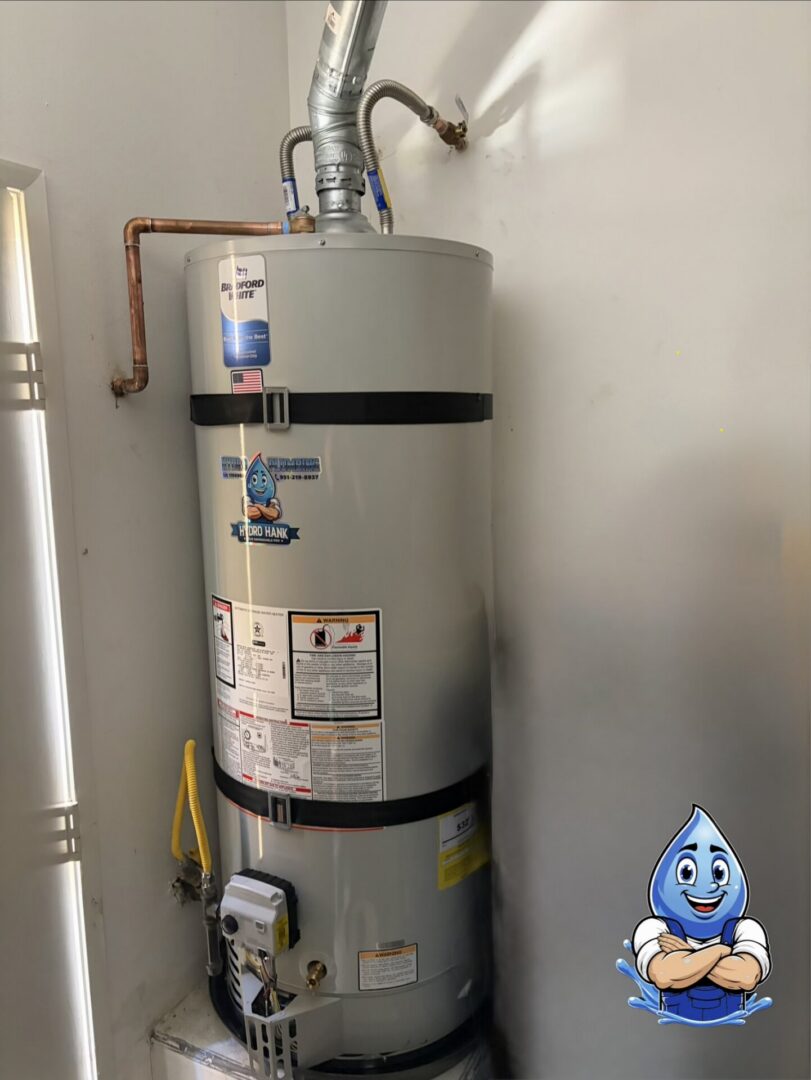 Real Murrieta Installation
Traditional Tank Water Heaters
A tank water heater stores and heats a set amount of water so it is ready when a fixture or appliance needs it. Tank systems remain a practical choice for many households and often fit easily into an existing water heater location.
Available hot water depends on the tank size, recovery rate, and household usage.
Replacing a similar tank unit may require fewer changes than a complete tankless conversion.
The storage tank needs a suitable installation area with adequate access and clearance.
Sediment accumulation, valves, connections, and system condition should be monitored.
- You want a familiar replacement option.
- The existing tank location and utilities are suitable.
- Your household demand matches the available tank capacity.
- You prefer a lower-complexity installation when possible.
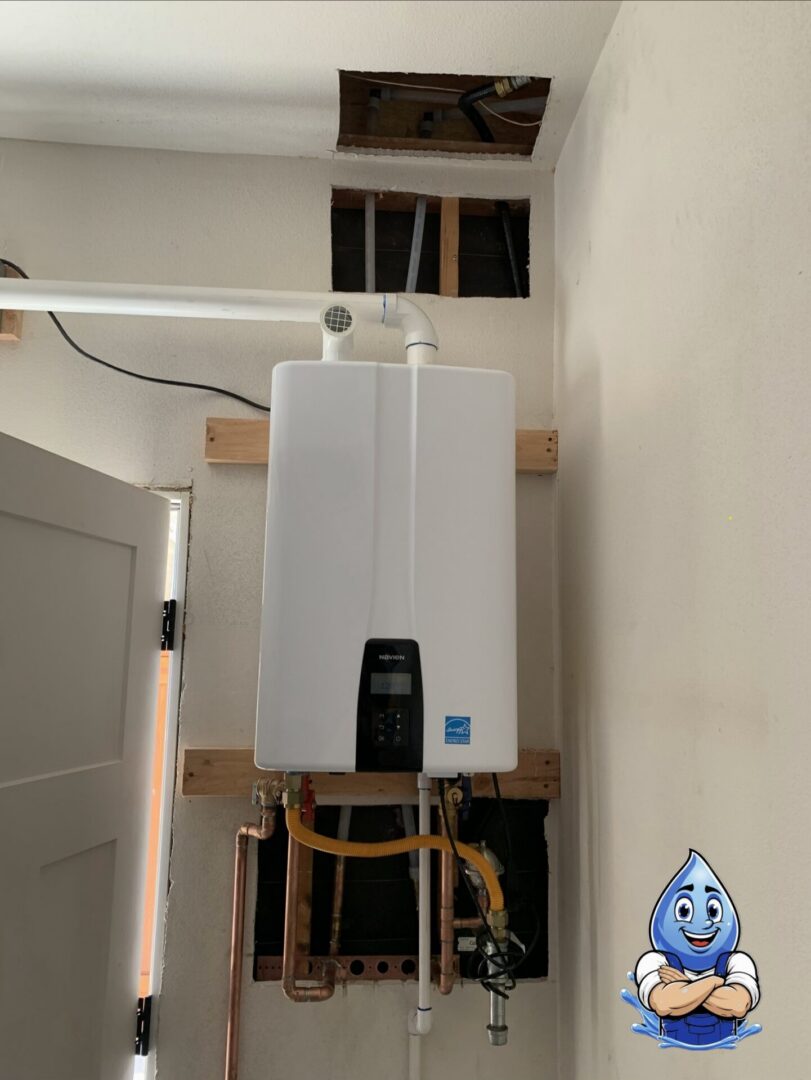 Real Temecula Installation
Tankless Water Heaters
A tankless water heater heats water as it flows through the unit rather than storing a large volume in a tank. When correctly sized, installed, and maintained, it can provide continuous hot water within the system’s rated flow capacity.
Hot water is produced as needed, but total simultaneous demand must remain within the system’s designed flow capacity.
Gas sizing, venting, drainage, electrical power, and water connections may need modification.
Tankless units can free up floor space when an appropriate wall and installation location are available.
Mineral scale should be addressed through routine tankless flushing, especially in hard-water areas.
- You want to reduce the space used by a storage tank.
- Your household needs longer periods of hot-water use.
- The home can support the required utilities and venting.
- You are comfortable with regular flushing and maintenance.
Tank and Tankless at a Glance
These are general differences. The right recommendation should be based on an evaluation of your home, utilities, household demand, and installation area.
| Consideration | Tank Water Heater | Tankless Water Heater |
|---|---|---|
| How it works | Stores heated water in a tank | Heats water as it is requested |
| Hot-water availability | Limited by tank size and recovery rate | Continuous within rated flow capacity |
| Installation space | Requires floor space for the tank | Typically mounted on a wall |
| Conversion requirements | Often similar to the existing installation | May require gas, venting, drainage, or electrical changes |
| Maintenance | Periodic inspection and sediment flushing | Regular flushing to control mineral scale |
| Best fit | Practical replacement and predictable stored capacity | Space savings and longer on-demand hot-water use |
The right system is the one that fits your home and hot-water needs.
Hydro Plumbing evaluates your current water heater, household usage, installation space, gas or electrical capacity, venting, water quality, budget, and long-term maintenance expectations before making a recommendation.
Signs Your Water Heater May Need Professional Service
Water heaters often show warning signs before they stop working completely. Catching changes in performance, sound, water quality, or moisture early may help prevent a larger repair, unexpected shutdown, or water damage around the unit.
Small changes can be the first sign of a developing water heater problem.
A water heater may continue operating even while sediment, corrosion, scale, worn components, pressure issues, or leaks are developing. An inspection can help determine whether maintenance, repair, or replacement is the most practical next step.
Water around the base of a tank, active dripping, unusual gas odors, or signs of overheating should be addressed promptly.
No Hot Water
A complete loss of hot water may be related to ignition, gas supply, electrical components, heating elements, thermostats, sensors, or another system failure.
Schedule troubleshootingWater Heater Is Leaking
Moisture may come from a fitting, valve, drain connection, supply line, relief valve, or the tank itself. A leaking tank usually requires replacement.
Address leaks promptlyHot Water Runs Out Too Quickly
Reduced hot-water capacity may indicate sediment buildup, failed components, an aging system, increased household demand, or a water heater that is undersized.
Evaluate system capacityTemperature Keeps Changing
Water that becomes unexpectedly cold, overly hot, or inconsistent may point to thermostat, sensor, flow, scale, or equipment performance issues.
Inspect temperature controlsPopping, Rumbling or Crackling Sounds
Noise from a tank water heater is often associated with sediment and mineral deposits collecting near the bottom of the tank.
Check for sediment buildupRusty or Discolored Hot Water
Discoloration from hot-water fixtures may be connected to corrosion, sediment, aging piping, water quality, or deterioration inside the water heater.
Identify the sourceTankless Error Codes
Error codes can indicate ignition, venting, gas supply, scale, flow, sensor, exhaust, or maintenance-related problems.
Diagnose the displayed codeWater Heater Is Getting Older
Age alone does not determine whether a unit must be replaced, but older equipment with leaks, corrosion, poor performance, or repeated repairs should be evaluated.
Plan before an emergencySome warning signs require faster attention than others.
Leaks, active water damage, gas odors or overheating
Turn off the water heater and nearby utility supply only when it is safe and you know how to do so. Contact a qualified plumbing professional for guidance and service.
Noises, reduced hot water, error codes or inconsistent heat
These symptoms may not always require emergency service, but they should be investigated before performance declines further or the system stops working.
Hydro Plumbing can inspect your tank or tankless water heater and explain the available options.
Serving Murrieta, Temecula, Wildomar, French Valley, Menifee, and nearby Southwest Riverside County communities.
Common Water Heater Problems and What May Cause Them
The same symptom can have several possible causes. This homeowner guide explains common tank and tankless water heater problems, but an on-site inspection is often needed to identify the actual issue and determine whether repair, maintenance, or replacement is appropriate.
No Hot Water
A complete loss of hot water may involve the fuel supply, electrical power, ignition system, thermostat, heating elements, sensors, or another internal component.
- Pilot light or ignition failure
- Gas supply or shutoff problem
- Failed electric heating element
- Thermostat or temperature-control failure
- Tankless error or safety shutdown
Water Around the Base
Water near a tank heater may come from the tank itself or from an external fitting, valve, supply connection, drain, or relief system.
- Corroded or failed storage tank
- Loose or deteriorated supply connection
- Leaking drain valve
- Temperature-and-pressure relief valve discharge
- Condensation or nearby plumbing leak
Popping or Rumbling Noises
Popping, rumbling, or crackling sounds often occur when water is heated beneath layers of sediment or mineral deposits inside the tank.
- Sediment collecting at the bottom of the tank
- Hard-water mineral buildup
- Water boiling beneath accumulated deposits
- Reduced heat-transfer efficiency
- An aging or poorly maintained system
Hot Water Is Too Hot or Too Cold
Water-temperature problems may be caused by the control setting, thermostat, sensor, flow rate, mixing conditions, or a failing component.
- Incorrect temperature setting
- Failed thermostat or temperature sensor
- Scale affecting tankless heat transfer
- Plumbing crossover or mixing-valve problem
- Intermittent burner or heating-element operation
Hot Water Runs Out Quickly
A tank may still produce hot water but no longer provide enough for the household’s typical use.
- Tank capacity is too small for current demand
- Sediment has reduced usable tank volume
- Damaged or deteriorated dip tube
- Failed electric heating element
- Increased household hot-water usage
Tankless Water Turns Cold During Use
A tankless system may lose heat when water flow, household demand, gas supply, scale, or equipment operation falls outside the unit’s design conditions.
- Flow rate falls below the activation threshold
- Simultaneous demand exceeds system capacity
- Mineral scale restricts heat transfer
- Gas supply or combustion problem
- Dirty inlet filter or internal component issue
Tankless Error Codes
Error codes help identify the category of a problem, but the displayed code does not always identify the exact failed component.
- Ignition or flame-loss condition
- Restricted intake or exhaust venting
- Scale buildup or restricted water flow
- Gas-pressure or combustion issue
- Sensor, fan, control-board, or wiring fault
Rusty, Cloudy or Unpleasant-Smelling Hot Water
Changes in the appearance or odor of hot water may originate in the water heater, plumbing system, water supply, or a combination of conditions.
- Corrosion inside the tank
- Depleted or reacting anode rod
- Sediment or mineral accumulation
- Aging galvanized or corroded piping
- Water-supply or bacterial conditions
The symptom is only one part of the decision.
Hydro Plumbing considers the water heater’s age, condition, safety, maintenance history, efficiency, repair cost, household demand, and evidence of internal tank failure before recommending the next step.
Repair May Make Sense When
- The tank itself is not leaking.
- The unit is otherwise in serviceable condition.
- The failed part can be safely replaced.
- The repair cost is reasonable for the unit’s age.
- The system still meets the home’s hot-water needs.
Replacement May Be More Practical When
- The storage tank is leaking internally.
- Corrosion or deterioration is widespread.
- Repairs are becoming frequent or expensive.
- The unit no longer meets household demand.
- Installation or safety concerns need correction.
Request professional tank or tankless water heater troubleshooting.
Hydro Plumbing serves Murrieta, Temecula, Wildomar, French Valley, Menifee, and nearby Southwest Riverside County communities.
Annual Tankless Water Heater Flush Service
Routine tankless maintenance helps control mineral scale, maintain internal water flow, support efficient heat transfer, and reduce the risk of avoidable performance problems—especially in the hard-water conditions found throughout Southwest Riverside County.
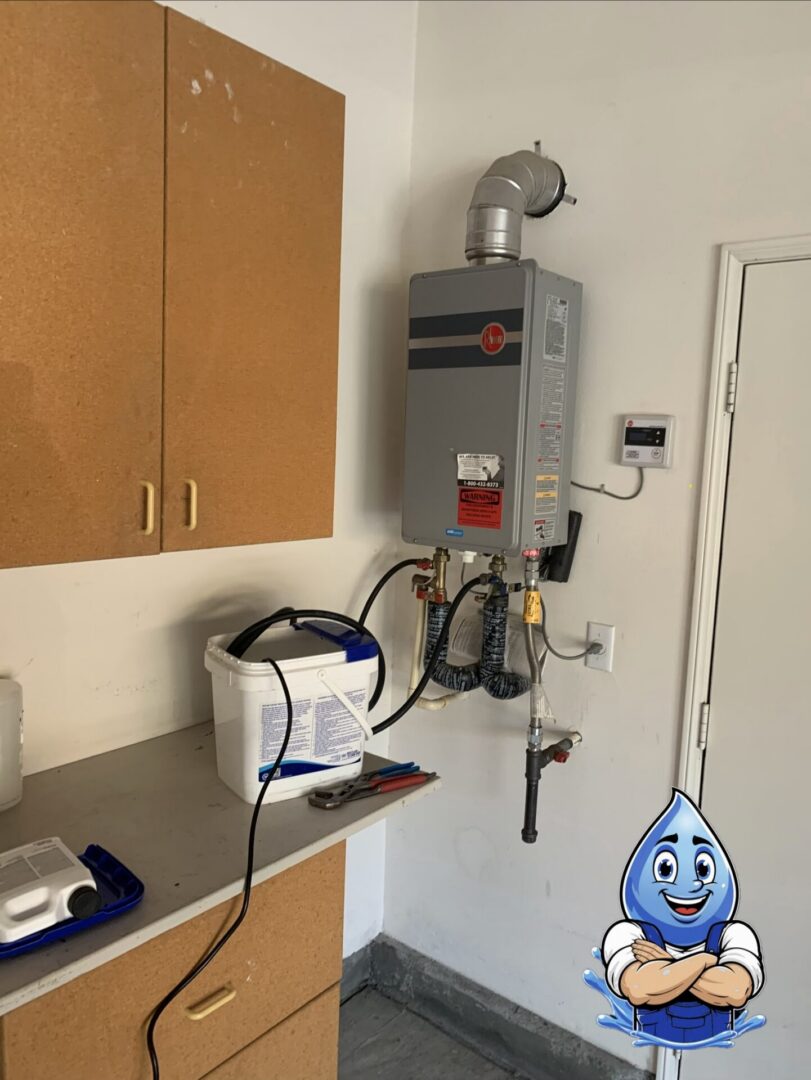
Mineral buildup can develop inside a tankless water heater even when the outside of the unit looks perfectly clean.
As water travels through the heat exchanger, dissolved minerals may collect on internal surfaces. Over time, scale can restrict water flow, interfere with heat transfer, contribute to temperature fluctuations, and place additional strain on the equipment.
A professional tankless flush circulates an appropriate cleaning solution through the water-side passages to help loosen and remove accumulated mineral deposits.
Routine maintenance cannot prevent every equipment failure, but it can help reduce avoidable problems connected to mineral scale, restricted flow, dirty filters, and neglected service.
Benefits of Routine Tankless Water Heater Maintenance
Regular service supports the internal condition and operation of the water heater while providing an opportunity to identify developing concerns.
Helps Remove Mineral Scale
Flushing helps loosen accumulated mineral deposits inside the heat exchanger and water passages.
Supports Consistent Water Flow
Scale, debris, and dirty filters may restrict flow and affect the unit’s ability to activate properly.
Supports Heat Transfer
Cleaner internal surfaces allow the equipment to transfer heat without the same layer of mineral buildup.
May Reduce Scale-Related Problems
Some temperature, flow, and performance concerns may be connected to overdue maintenance or mineral accumulation.
Creates an Inspection Opportunity
Maintenance may reveal visible leaks, corrosion, filter buildup, error history, or other developing conditions.
Supports Long-Term Equipment Care
Consistent maintenance helps establish a better service history and may reduce avoidable wear caused by neglect.
What a Tankless Flush Service May Include
The exact process depends on the water heater, installation, service-valve configuration, system condition, and manufacturer recommendations.
Review the Equipment
The unit, service valves, visible connections, condition, and reported performance concerns are reviewed.
Isolate the Water Heater
The tankless system is isolated from the home’s plumbing when the service-valve configuration allows it.
Connect the Flush Equipment
Service hoses and circulation equipment are connected to the water-side service ports.
Circulate Cleaning Solution
An appropriate solution is circulated through the heat exchanger to help loosen mineral deposits.
Rinse and Inspect
The system is rinsed and accessible filters, connections, and visible conditions may be checked.
Restore and Test Operation
Normal water flow is restored and the unit is checked for heating, operation, and visible leakage.
Many systems benefit from approximately annual service, but the right schedule depends on water quality, usage, and equipment requirements.
Homes with harder water, higher hot-water demand, previous scale problems, or manufacturer-specific maintenance requirements may need service more frequently.
Water treatment and filtration may also help reduce future mineral accumulation and protect plumbing equipment throughout the home.
Explore whole-home water filtrationA practical maintenance starting point for many regularly used tankless systems.
Especially with very hard water, heavy usage, or recurring scale-related concerns.
Error codes, reduced flow, unusual sounds, or changing temperatures may indicate overdue service or another problem.
Schedule a professional tankless flush service with Hydro Plumbing.
Serving Murrieta, Temecula, Wildomar, French Valley, Menifee, and nearby Southwest Riverside County communities.
How Hard Water Can Affect Tank and Tankless Water Heaters
Hard water contains dissolved minerals that can collect inside tank water heaters, tankless heat exchangers, plumbing fixtures, valves, and connected appliances. Over time, mineral buildup may restrict water flow, interfere with heat transfer, increase maintenance needs, and place additional strain on water-heating equipment.
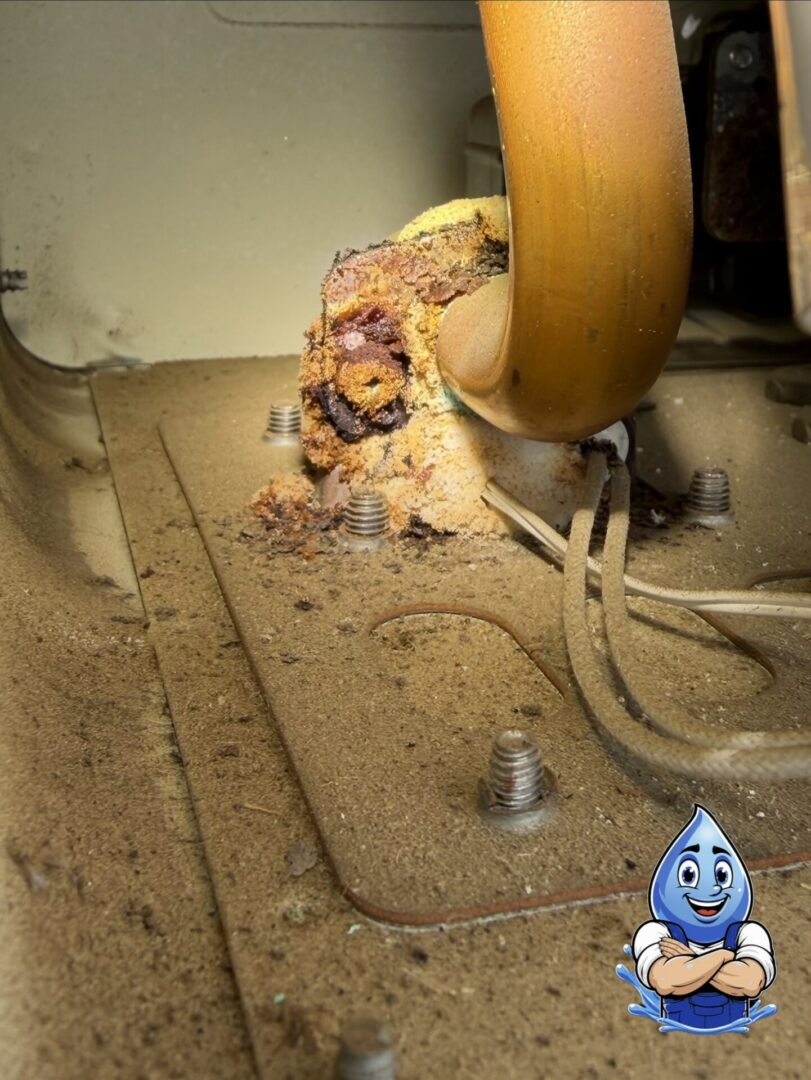
Scale can narrow internal passages and reduce flow through the equipment.
Mineral deposits can form a barrier between heated surfaces and the water.
Hard-water conditions may require more frequent inspection and flushing.
Hard-water damage usually develops gradually—not all at once.
As water is heated, dissolved calcium, magnesium, and other minerals can separate from the water and attach to internal surfaces. The location of that buildup depends on the type of water heater.
In a traditional tank, sediment commonly settles near the bottom. In a tankless system, scale may form inside narrow water passages and along the heat exchanger, where it can affect flow and heat-transfer performance.
Routine maintenance and a properly selected water-treatment strategy can work together to help control mineral buildup and support long-term plumbing-equipment care.
Hard water can affect performance, maintenance, and equipment life.
The severity of mineral buildup depends on water quality, equipment type, temperature settings, household demand, maintenance history, and installation conditions.
Sediment Inside Tank Water Heaters
Minerals may settle near the bottom of the tank, reduce usable capacity, and create a barrier between the heat source and water.
Scale Inside Tankless Heat Exchangers
Mineral deposits may collect inside the heat exchanger and restrict the narrow passages through which water must travel.
Popping or Rumbling Sounds
Tank water heaters may make noise when water heats beneath layers of sediment collected near the bottom.
Reduced Hot-Water Performance
Scale and sediment may contribute to slower recovery, temperature fluctuations, reduced flow, or hot water running out sooner.
Increased Maintenance Needs
Hard-water conditions may make routine flushing, inspection, filter cleaning, and scale-control service more important.
Additional Equipment Strain
Restricted flow and reduced heat transfer may cause components to operate under more demanding conditions.
Hard water affects tank and tankless systems differently.
Both equipment types can experience mineral buildup, but the location, symptoms, and maintenance approach are not the same.
Tank Water Heaters
Sediment commonly settles near the bottom of the storage tank, where it can affect heat transfer and reduce the amount of usable hot water.
- Popping, crackling, or rumbling noises
- Reduced usable tank capacity
- Slower recovery between hot-water uses
- Sediment blocking or restricting the drain valve
- Additional stress near heated tank surfaces
Tankless Water Heaters
Mineral scale may form inside the heat exchanger and waterways, affecting flow, heat transfer, temperature consistency, and equipment operation.
- Reduced flow through the water heater
- Temperature fluctuations during use
- Scale-related performance problems or error codes
- Longer or more frequent maintenance service
- Increased strain on internal components
Water-heater maintenance and water treatment can work together.
There is no single solution for every home. The appropriate strategy depends on water quality, equipment type, household use, plumbing condition, available space, and the homeowner’s long-term goals.
Routine Tank Maintenance
Appropriate inspection and flushing may help remove loose sediment, depending on the age and condition of the tank.
Regular Tankless Flushing
Tankless systems often benefit from routine descaling to help remove mineral deposits from internal waterways.
Temperature Management
Excessively high temperature settings may increase scale formation while also creating scalding and energy concerns.
Water-Quality Evaluation
Understanding the home’s water conditions can guide filtration, scale-control, conditioning, and maintenance decisions.
Whole-Home Water Treatment
A properly selected system may help reduce mineral-related effects throughout the plumbing system and connected equipment.
Consistent Service History
Routine maintenance makes it easier to identify developing issues before equipment performance declines further.
Hard water can affect pipes, fixtures, valves, appliances, and plumbing equipment throughout the home.
Hydro Plumbing can help homeowners explore whole-home filtration and water-treatment options based on their water concerns, household needs, available space, maintenance expectations, and long-term goals.
Explore Whole Home FiltrationEvaluate concerns such as hardness, scale, sediment, taste, odor, and overall household water quality.
Help reduce mineral-related stress on water heaters, fixtures, valves, and water-using appliances.
Select water-treatment equipment based on the needs of the entire home and plumbing system.
Have Hydro Plumbing inspect your water heater and discuss practical maintenance or water-treatment options.
Serving Murrieta, Temecula, Wildomar, French Valley, Menifee, and nearby Southwest Riverside County communities.
Real Hydro Plumbing Water Heater Projects
Explore actual tank and tankless water heater installations, replacements, maintenance visits, and inspections completed by Hydro Plumbing throughout Murrieta, Temecula, Wildomar, and nearby Southwest Riverside County communities.
Murrieta, California
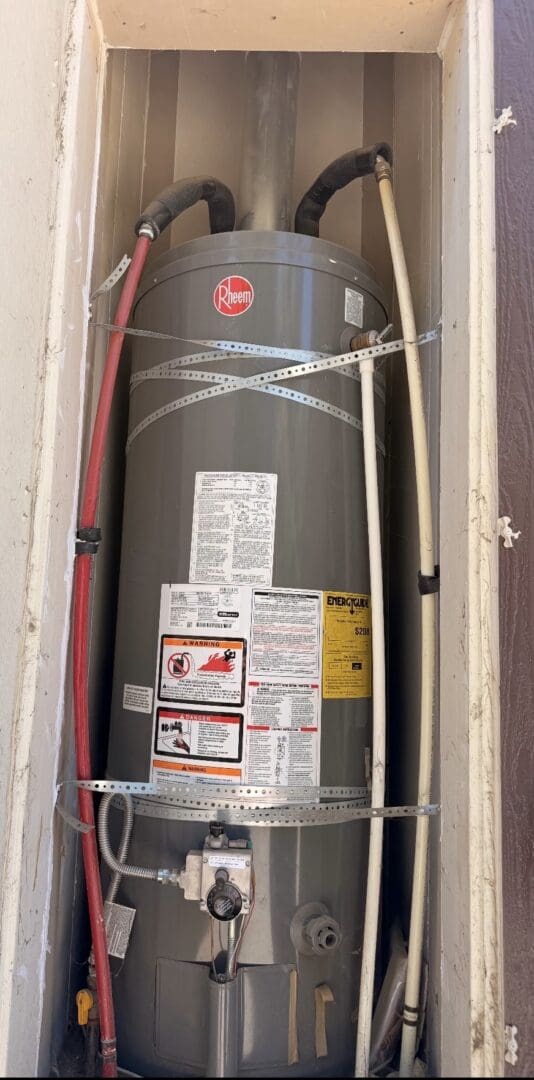
A clean traditional tank installation planned around the home’s existing space and hot-water needs.
This completed Murrieta project shows a new tank water heater installed as a practical replacement for an aging system. Proper sizing, venting, drainage, shutoff access, utility connections, and future serviceability are all important parts of the installation.
Temecula, California
A compact wall-mounted system with accessible connections for future maintenance.
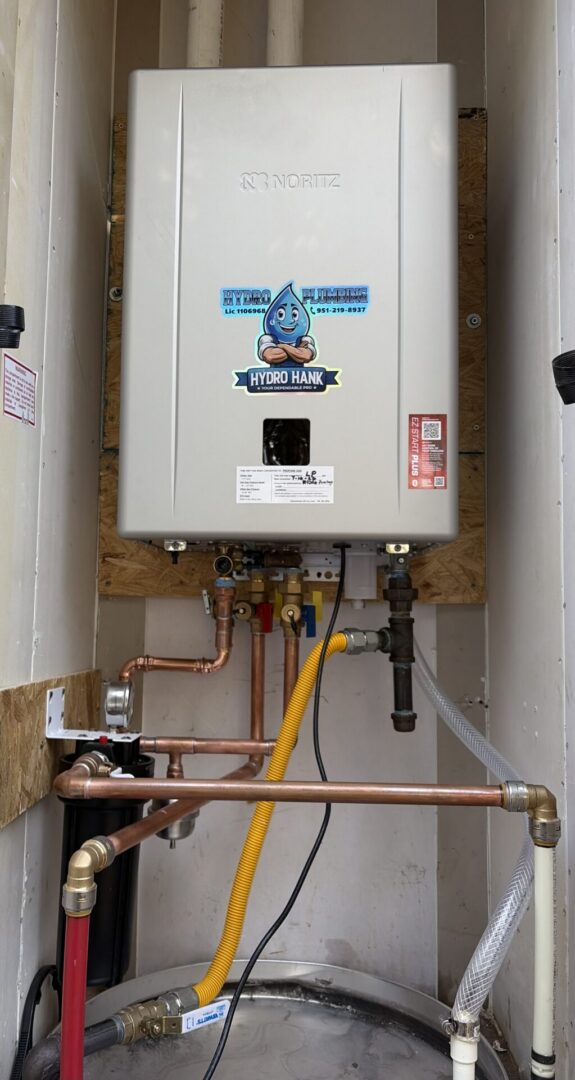
This Temecula installation demonstrates the space-saving design of a tankless water heater. Proper system sizing, gas capacity, venting, drainage, electrical power, water connections, and service valves are essential to dependable long-term performance.
Before Replacement
Older Tank Water Heater Evaluation
Aging water heaters should be evaluated for leaks, corrosion, performance, safety, repair history, and overall replacement value.
Finished Installation
Tankless Water Heater Installation
A completed tankless installation designed around the home’s utilities, available space, hot-water demand, and future servicing needs.
Maintenance Service
Professional Tankless Flush Service
Flush equipment connected to circulate cleaning solution through the internal waterways and help remove accumulated mineral scale.
Internal Inspection
Mineral Scale Inside a Tankless Unit
Actual internal buildup showing why tankless maintenance and water-quality planning can be especially important in local hard-water conditions.
These photographs show the equipment conditions, maintenance work, and finished installations behind our recommendations.
Real Hydro Plumbing work from Murrieta, Temecula, Wildomar, and nearby communities—not generic stock photography.
Examples include traditional replacements, tankless installations, routine maintenance, and equipment inspections.
Homeowners can see the difference between aging equipment, mineral buildup, active maintenance, and completed installations.
Hydro Plumbing believes homeowners should understand what is being inspected, repaired, maintained, replaced, or installed.
Request tank or tankless water heater service from Hydro Plumbing.
Serving Murrieta, Temecula, Wildomar, French Valley, Menifee, and nearby Southwest Riverside County communities.
Frequently Asked Questions About Water Heaters
These answers cover common questions about tank and tankless water heater repair, installation, maintenance, replacement, hard water, and troubleshooting. The correct recommendation may vary based on the home, equipment, utilities, water quality, and system condition.
Should I repair or replace my water heater?
The decision depends on the age and condition of the equipment, the type of failure, repair cost, maintenance history, safety, efficiency, household hot-water demand, and whether the storage tank is leaking.
A replaceable component may make repair practical. However, an internally leaking tank, widespread corrosion, repeated failures, or a system that no longer meets household needs may make replacement the better long-term option.
Why is my water heater not producing hot water?
No hot water may be caused by a pilot or ignition failure, gas supply problem, loss of electrical power, failed heating element, thermostat issue, sensor fault, safety shutdown, or another internal equipment problem.
Tankless units may also display an error code that helps identify the general category of the problem. Avoid repeatedly resetting a unit when the same fault continues to return.
Does a leaking water heater always need replacement?
Not every visible leak comes from the storage tank. Water may be coming from a supply connection, valve, drain, relief system, or nearby plumbing component.
If the internal storage tank itself has failed and is leaking, replacement is generally necessary because the tank cannot be reliably repaired.
How often should a tankless water heater be flushed?
Many tankless water heaters benefit from approximately annual maintenance. However, the appropriate schedule depends on local water hardness, household usage, equipment requirements, previous scale buildup, and the water-treatment system serving the home.
Homes with especially hard water or heavy hot-water use may require more frequent service.
Is a tankless water heater better than a tank water heater?
Neither system is automatically best for every home. Traditional tank heaters offer stored capacity and may be simpler to replace in an existing tank location. Tankless systems provide on-demand heating and can save floor space.
Tankless conversions may require gas, venting, drainage, electrical, or water-connection changes. The best option depends on household demand, installation conditions, budget, available utilities, and maintenance expectations.
Can a tankless water heater provide unlimited hot water?
A properly sized tankless unit can provide continuous hot water for an extended period, but it is not unlimited in total output. Every system has a rated flow capacity based on the required temperature rise.
If too many fixtures or appliances demand hot water at the same time, the system may not maintain the desired temperature and flow.
Why does my tank water heater make popping or rumbling noises?
Popping, crackling, or rumbling sounds are commonly associated with sediment and mineral buildup near the bottom of a tank water heater. Water may become trapped beneath deposits and make noise as it heats.
The unit should be evaluated before flushing, particularly if it is older or has not received routine maintenance.
Can hard water damage a water heater?
Hard-water minerals may accumulate as sediment inside tank water heaters and as scale inside tankless heat exchangers. Over time, buildup may restrict flow, interfere with heat transfer, increase maintenance needs, and contribute to reduced performance.
Routine maintenance and an appropriately selected water-treatment strategy may help control mineral-related effects.
Why does my hot water run out so quickly?
A tank water heater may run out quickly because of sediment, failed heating components, a damaged dip tube, increased household demand, reduced tank capacity, or equipment that is undersized for the home.
An inspection can help determine whether maintenance, repair, or a differently sized replacement is appropriate.
What should I do if my tankless water heater displays an error code?
Record the complete error code and note what was happening when it appeared. Error codes may relate to ignition, gas supply, venting, combustion, mineral scale, restricted water flow, sensors, wiring, or internal components.
Avoid repeatedly resetting the unit without identifying why the fault is returning.
How do I know what size water heater my home needs?
Tank sizing considers household occupancy, fixture use, appliances, bathroom count, peak demand, and recovery rate. Tankless sizing considers simultaneous flow, incoming water temperature, desired outlet temperature, and required temperature rise.
Matching only the physical size of the old equipment may not provide the best result if the household’s hot-water needs have changed.
Do you service both gas and electric water heaters?
Hydro Plumbing evaluates and services a range of tank and tankless water-heating systems. The available repair or replacement options depend on the equipment type, fuel source, installation, utilities, condition, and required scope of work.
Gas-fired installation concerns may also involve gas-line sizing, shutoff access, venting, combustion air, and related safety requirements.
Does Hydro Plumbing provide a warranty on water heater work?
Hydro Plumbing provides a one-year parts-and-labor warranty on qualifying parts supplied by Hydro Plumbing. When a customer supplies the equipment or parts, warranty coverage applies to Hydro Plumbing’s labor rather than the customer-supplied product.
Manufacturer warranty terms are separate and depend on the equipment, registration, installation, maintenance, and manufacturer requirements.
When is a water heater problem an emergency?
Active water leakage, spreading water damage, gas odors, signs of overheating, unsafe combustion, visible electrical damage, or uncontrolled relief-valve discharge may require prompt attention.
Turn off the equipment and nearby utility supply only when it is safe and you understand the correct procedure. Contact a qualified professional for guidance.
Serving Murrieta, Temecula, Wildomar, French Valley, Menifee, and nearby communities.
Need Water Heater Repair, Replacement, Installation, or Maintenance?
Hydro Plumbing provides straightforward recommendations and professional service for traditional tank and tankless water heaters. Whether you have no hot water, a leaking unit, a tankless error code, or overdue maintenance, we can help you understand the practical next step.
No hot water, leaks, noises, temperature problems, and troubleshooting.
Professional tank and tankless water heater installation options.
Routine maintenance to help control mineral scale and restricted flow.
Maintenance and water-treatment options for local mineral buildup.
Contact Hydro Plumbing to request service or discuss your tank or tankless water heater concerns.
Proudly serving homeowners throughout Southwest Riverside County.
One-year parts-and-labor warranty on qualifying parts supplied by Hydro Plumbing.
When customers provide their own equipment or parts, Hydro Plumbing’s warranty applies to the labor performed. Manufacturer warranty terms remain separate and may require product registration and ongoing maintenance.