




Cleaner Water Throughout Your Home
Whole-Home Water Filtration
Protect Your Water, Plumbing and Everyday Comfort
Whole-Home Filtration • Water Softening • Reverse Osmosis • Combination Systems
Hydro Plumbing installs and services whole-home water filtration and water-treatment systems for homeowners throughout Murrieta, Temecula, Wildomar, French Valley and nearby Southwest Riverside County communities.
The right system may help reduce chlorine taste and odor, capture sediment, address hard-water concerns and support the long-term care of plumbing fixtures, water heaters and household appliances. Hydro Plumbing helps you compare practical options without limiting you to one brand or a one-size-fits-all system.
- Local and family-owned
- Owner-operated service
- Over a decade of plumbing knowledge
- Transparent pricing
Understand the Water Entering Your Home
Why Water Quality Matters to Your Home
Municipal water is treated before it reaches your property, but homeowners may still notice chlorine taste or odor, hard-water minerals, sediment, spotting and other water-quality concerns. The right treatment system depends on what is present in the water, what you want to improve and whether your goal is drinking-water quality, whole-home treatment or protection from mineral buildup.
Chlorine Taste and Odor
Disinfectants help protect municipal water while it travels through the distribution system. Some homeowners choose carbon-based filtration because they prefer less chlorine taste or odor in water used throughout the home.
Hard-Water Minerals
Calcium and magnesium may leave white spotting, cloudy glassware, soap residue and mineral scale. Traditional softening and certain scale-treatment systems are designed to address hardness-related concerns in different ways.
Sediment and Particles
Dirt, sand, rust-like particles or other sediment can sometimes enter residential plumbing. Sediment filtration may be used as a first treatment stage or as part of a larger whole-home system.
Other Reported Water Constituents
Public water reports may list naturally occurring substances, treatment byproducts, metals or other measured constituents. Treatment should be selected based on the specific substance, concentration and the performance claims of the equipment.
Curious About What Is Reported in Your Local Water?
Use the EWG Tap Water Database to search by ZIP code or water utility and explore publicly reported information for the water system serving your area. This can provide useful background before deciding which water-treatment questions to ask.
Important: This external database is not operated by Hydro Plumbing and is not a test of the water coming from your individual faucet. Conditions inside a home can also be affected by private plumbing, equipment, maintenance history and whether the property uses a private well.
Not Sure What Your Water-Treatment Results Mean?
Hydro Plumbing can help you compare filtration, softening, reverse osmosis and combination-system options based on your water concerns, plumbing layout, household usage and long-term goals.
Everyday Clues Around Your Home
Signs Your Home May Benefit From Water Treatment
Water-quality concerns often show up through everyday annoyances before homeowners think about installing a treatment system. These signs do not identify one specific solution by themselves, but they can help you recognize when it may be worth comparing filtration, softening, reverse-osmosis or combination-system options.
White Spots on Fixtures and Glass
Spots that return after cleaning are often associated with minerals left behind when hard water evaporates from faucets, sinks, shower doors, dishes and countertops.
Noticeable Chlorine Taste or Odor
Some homeowners notice a swimming-pool-like smell or taste in tap and shower water. Carbon filtration is commonly considered when reducing chlorine taste and odor is a primary goal.
Cloudy Dishes and Shower Glass
Cloudy glassware, residue on dishes and soap film in showers may be related to mineral hardness, detergent interaction, cleaning methods or a combination of these conditions.
Scale Around Water-Heated Equipment
Mineral deposits near faucets, showerheads, tankless connections or water-heating components may indicate hardness-related buildup that deserves closer attention.
Reduced Flow at Faucets or Showerheads
Mineral deposits can collect inside aerators and showerheads and may contribute to uneven spray patterns or reduced flow. Plumbing restrictions can have other causes as well.
Visible Sediment or Particles
Sand-like material, rust-colored particles or other visible sediment may come from the water supply, water heater or interior plumbing and should be evaluated before selecting treatment equipment.
Water That Tastes Unpleasant
Taste can be influenced by disinfectants, minerals, plumbing materials, temperature and other factors. The correct filtration method depends on the specific cause.
Frequent Cleaning and Maintenance
Constantly removing scale, cleaning cloudy surfaces or servicing mineral-affected equipment may lead homeowners to consider a more complete long-term water-treatment approach.
Support for Water Heaters
Treating hardness or sediment may help reduce conditions that contribute to scale and buildup inside tank and tankless water heaters. Maintenance is still important after treatment is added.
Cleaner-Looking Fixtures
The right hardness treatment may reduce the mineral deposits that repeatedly appear on faucets, sinks, shower glass and plumbing fixtures.
Better Everyday Water Experience
Depending on the system, homeowners may notice improvements in taste, odor, bathing water, laundry and the appearance of surfaces throughout the home.
Long-Term Household Value
Whole-home treatment serves every connected fixture, allowing the benefits of the selected system to extend beyond one drinking-water faucet.
Can Hard Water Affect Your Water Heater?
Mineral scale can affect both tank and tankless equipment over time. Visit our hard-water and water-heater guide to learn what buildup may look like, which warning signs to watch for and why routine maintenance still matters.
Recognize Any of These Signs in Your Home?
Hydro Plumbing can help you identify your main water concerns and compare filtration, softening, reverse-osmosis and combination-system options without pushing one specific brand or one-size-fits-all solution.
Flexible Water Treatment Options
Water Filtration Systems Hydro Plumbing Installs
Hydro Plumbing installs a variety of whole-home filtration, water softening, scale-treatment and reverse-osmosis systems. The goal is to help homeowners choose equipment that fits their water concerns, household demand, available space and maintenance preferences—not to push every customer toward one manufacturer.
Halo Water Treatment Systems
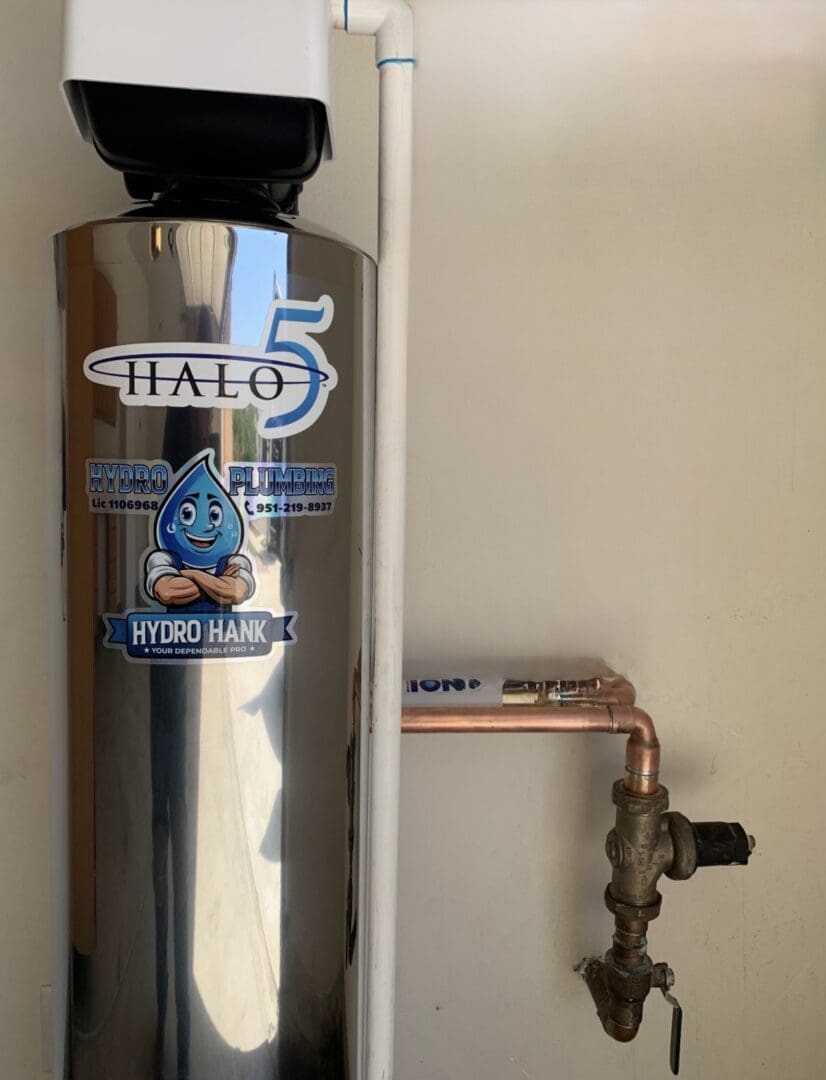
Hydro Plumbing can install appropriate Halo whole-home filtration, conditioning and treatment equipment when the selected model fits the property’s water goals, flow requirements and plumbing layout.
Aquasana Whole-Home Systems
Aquasana offers whole-home filtration and combination equipment with different configurations. Hydro Plumbing can evaluate customer-selected equipment and determine what is required for a proper plumbing connection.
SpringWell Water Systems
Hydro Plumbing can install compatible SpringWell filtration, softening and combination systems for local homeowners when the equipment is properly selected and suitable for the property.
Other Quality Water Treatment Brands
Hydro Plumbing may also install other reputable filtration, softening, conditioning and reverse-osmosis equipment when the system is appropriate for the home and supported by clear installation information.
Already Purchased a Water Filtration System?
Hydro Plumbing can evaluate many customer-supplied systems before installation. Reviewing the equipment first helps identify missing parts, installation limitations and additional plumbing work that may be required.
Important: Customer-supplied equipment must be suitable for the property and available installation conditions. Additional plumbing modifications, materials or preparation may be required and are separate from the original equipment purchase.
Questions to Ask Before Choosing Any Filtration Brand
A water-treatment system should be evaluated by what it is designed to do, how it is sized and what it will require over its service life.
What Does the System Actually Treat?
Review the manufacturer’s specific performance claims instead of assuming the system removes every possible substance.
Is It Sized for Household Flow?
The system should support the home’s expected flow rate without creating unnecessary pressure loss.
What Maintenance Is Required?
Ask about filter replacement, media life, regeneration material, cleaning, membrane changes and ongoing operating costs.
Are Replacement Parts Available?
Consider how easily replacement filters, seals, valves, media and service parts can be obtained in the future.
What Does the Warranty Require?
Review registration, installation, maintenance and documentation requirements before purchasing the equipment.
Can the System Be Serviced Easily?
Leave enough room for filter changes, media replacement, bypass operation, inspections and future plumbing repairs.
Have a Brand or System in Mind?
Share the manufacturer, model number and installation location with Hydro Plumbing. We can review the equipment and discuss what may be required for a professional installation in your home.
Professional Installation From Start to Finish
The Hydro Plumbing Water Filtration Installation Process
A whole-home water treatment system should be selected and installed around the actual needs of the property. Hydro Plumbing reviews the equipment, plumbing layout, household demand and future maintenance requirements before completing the approved installation.
Discuss Your Water Concerns and Goals
The process begins with what you want to improve. Common goals include reducing chlorine taste or odor, addressing hard-water buildup, filtering sediment, improving drinking water or creating a broader whole-home treatment plan.
Evaluate the Plumbing and Installation Area
Hydro Plumbing reviews the main water line, pipe size, water pressure, available space, drain access, electrical needs and service clearances that may affect the installation.
Review the Equipment and Treatment Plan
The selected system is checked for capacity, flow requirements, connection size, treatment purpose and maintenance needs. Any additional fittings, bypass valves or plumbing modifications are discussed before work begins.
Complete the Professional Installation
The equipment is connected to the plumbing in the approved location, with attention to flow direction, bypass access, drainage, support, service clearance and a clean overall layout.
Start Up and Check the System
After installation, the system is placed into service according to the applicable instructions. Connections are checked, water flow is reviewed and any initial flushing or startup procedures are completed as required.
Review Operation and Maintenance
Before the job is finished, Hydro Plumbing reviews the basic operation, bypass position, filter or media schedule and other maintenance information you should know for the system you chose.
Where Can a Whole-Home Water Filtration System Be Installed?
The best location depends on where the main water line enters the property, available space and the requirements of the selected equipment. Not every location is appropriate for every system.
What Happens After Installation?
Water treatment equipment continues to require attention after the initial installation. Maintenance needs depend on the exact system, household usage and incoming water conditions.
Follow the Maintenance Schedule
Replace filters, refill salt or potassium, service membranes and complete other maintenance according to the system instructions.
Watch for Changes in Water Flow
Reduced flow, unexpected pressure loss, unusual taste or visible particles may indicate that filters or other components need attention.
Keep System Information Available
Save the model number, warranty details, replacement-part information and maintenance records for future service.
Planning a Whole-Home Water Treatment Installation?
Hydro Plumbing can review the equipment, installation location and plumbing requirements before the work begins so you understand the proposed setup and what may be needed.
Straightforward Water Treatment Answers
Whole-Home Water Filtration Frequently Asked Questions
Water treatment can feel confusing because filtration, softening, conditioning and reverse osmosis perform different jobs. These answers explain common homeowner questions while keeping in mind that the best solution depends on the property, incoming water and household goals.
What does a whole-home water filtration system do?
A whole-home filtration system treats water near the point where it enters the property, allowing treated water to reach connected faucets, showers, fixtures and appliances.
The exact results depend on the equipment and media used. Some systems are designed for sediment, chlorine taste and odor or other specific substances listed in the manufacturer’s performance claims.
Is filtered water the same as softened water?
No. Filtration and softening are different treatment processes. Filtration may target sediment, chlorine, taste, odor or specific reported substances, depending on the system.
A traditional softener primarily targets calcium and magnesium hardness through ion exchange. Some homes use both filtration and softening because the systems address different concerns.
Will whole-home filtration remove hard-water minerals?
A basic sediment or carbon filter generally does not remove calcium and magnesium hardness in the same way as a traditional water softener.
Hardness concerns may require a softener, conditioner or another treatment approach designed specifically for scale or mineral management.
Can filtration help protect my water heater?
The answer depends on what the system treats. Sediment filtration may help capture particles before they reach downstream equipment, while hardness treatment may help reduce conditions associated with mineral scale.
Filtration does not replace water-heater maintenance. Learn more in our hard-water and water-heater guide .
How often do whole-home filters need maintenance?
Maintenance depends on the equipment, filter size, media, household usage and incoming water conditions. Some cartridges need periodic replacement, while larger media tanks may have longer service intervals.
Follow the manufacturer’s schedule and pay attention to changes in water flow, pressure, taste, odor or visible sediment.
Is a whole-home filtration system expensive?
Costs vary widely based on system type, capacity, plumbing modifications, installation location and treatment goals. A basic sediment filter is very different from a multi-stage combination system.
Homeowners often compare the upfront cost with the long-term value of improving water throughout the home, reducing certain types of buildup and supporting the care of fixtures and equipment.
Do I still need reverse osmosis with whole-home filtration?
Possibly. Whole-home filtration and reverse osmosis serve different purposes. Whole-home treatment serves connected fixtures, while reverse osmosis is commonly used for highly filtered drinking and cooking water at one location.
Read our whole-home filtration versus reverse-osmosis comparison for more detail.
Should I use regular salt or potassium chloride in my softener?
Both sodium chloride and potassium chloride may be used in certain traditional softeners, but they differ in price, efficiency, handling and household preferences.
Always confirm that the selected material is compatible with the equipment and follow the manufacturer’s instructions. We will also connect this question to the upcoming Hydro Plumbing salt-versus- potassium guide once that article is published.
Can Hydro Plumbing install a system I already purchased?
Hydro Plumbing can evaluate many customer-supplied filtration, softening, conditioning and reverse-osmosis systems before installation.
The equipment must be appropriate for the property, complete enough to install and supported by clear instructions. Additional plumbing modifications, fittings or preparation may be required.
How do I know which contaminants a filter reduces?
Review the manufacturer’s specific performance data, independent certifications when available and replacement-filter information. Do not assume that every product labeled “whole-house filter” reduces every possible substance.
Choose equipment based on the substances or conditions you want to address and the system’s documented capabilities.
Does treated water feel different when bathing?
It may, depending on the system. Reduced chlorine taste and odor, softened water and untreated hard water can each create a different bathing and soap-rinsing experience.
Personal preference varies, so the goal should be choosing the treatment method that addresses the household’s main concerns.
Is whole-home filtration worth the investment?
Value depends on the homeowner’s goals, incoming water, equipment quality and maintenance commitment. A properly selected system treats water throughout the home rather than at only one faucet.
Many homeowners value the everyday water experience, reduced chlorine taste or odor, hardness-treatment benefits and support for fixtures, water heaters and appliances over time.
Whole-Home Filtration or Reverse Osmosis?
Learn how whole-home filtration and point-of-use reverse osmosis differ, what each system is designed to accomplish and why some homeowners choose both.
Still Have a Water Filtration Question?
Tell Hydro Plumbing what you are noticing, what you want to improve and whether you have already selected equipment. We can help you understand practical next steps for your home.
Honest Guidance and Professional Installation
Why Homeowners Choose Hydro Plumbing for Water Filtration
Choosing a water-treatment system can be difficult when every manufacturer claims to offer the best solution. Hydro Plumbing helps homeowners compare equipment, understand maintenance requirements and select a practical installation approach based on their actual water concerns and property.
Education Before Equipment
The first step is identifying what you want to improve. Hydro Plumbing explains the differences between filtration, softening, conditioning and reverse osmosis before discussing a specific system.
No One-Brand Sales Approach
Hydro Plumbing works with multiple water-treatment brands and customer-supplied equipment. Recommendations are based on the home, installation requirements and treatment goals—not a requirement to sell one manufacturer.
Clear Upfront Expectations
Equipment needs, plumbing modifications, included materials and installation requirements are reviewed before work begins so the homeowner understands the proposed setup and cost.
Installation Designed for Future Service
A clean installation should also leave access for bypass valves, cartridge replacement, media service and future inspections. The system is planned with both appearance and maintenance in mind.
Honest Performance Expectations
No single system removes every possible substance or solves every water concern. Hydro Plumbing explains what the selected equipment is intended to treat and where additional treatment may be needed.
Long-Term Value, Not a Quick Sale
System sizing, replacement parts, media life and ongoing maintenance all affect long-term value. The goal is to help you choose equipment that can realistically be operated and maintained.
What You Can Expect From Hydro Plumbing
Water-treatment decisions should feel understandable rather than overwhelming. Hydro Plumbing keeps the process personal, transparent and focused on practical household needs.
Continue Learning About Your Home’s Water
Explore these Hydro Plumbing guides to better understand local water, hard-water buildup and the differences between common treatment systems.
Ready to Discuss Water Treatment for Your Home?
Tell Hydro Plumbing what you are noticing, what you hope to improve and whether you already have a system in mind. You will receive clear information and practical guidance without pressure to purchase one particular brand.
Local Water Treatment Installation
Whole-Home Water Filtration Service Areas
Hydro Plumbing provides whole-home filtration, water softening, conditioning and reverse-osmosis installation for homeowners throughout the Temecula and Murrieta Valley. Every property is evaluated according to its plumbing layout, available installation space, household water demand and treatment goals.
Murrieta Water Filtration
Whole-home filtration, water softening, reverse osmosis and customer-supplied system installation for Murrieta homeowners looking to address chlorine, sediment, hardness and everyday water quality concerns.
Visit the Murrieta plumber pageTemecula Water Filtration
Filtration and water-treatment installation for Temecula homes, including equipment designed for chlorine taste and odor, hard-water concerns, sediment and highly filtered drinking water.
Visit the Temecula plumber pageWildomar Water Filtration
Whole-home treatment and drinking-water options for Wildomar homeowners, including filtration, softening, conditioning and installation planning based on the home’s plumbing and available space.
Request service in WildomarFrench Valley Water Filtration
Filtration and water-treatment installation for French Valley and nearby Winchester-area homes, including newer properties with whole-home equipment, garage installations and combination systems.
Request service in French ValleyNearby Communities May Also Be Available
Hydro Plumbing may provide water-filtration installation in nearby Southwest Riverside County communities when location, scheduling and project requirements allow.
- Winchester
- Menifee
- Lake Elsinore
- Canyon Lake
Water Treatment for Different Property Types
The installation approach may change based on how the property is used, where the main water line enters and which fixtures or equipment need treated water.
Looking for Water Filtration Installation Near You?
Contact Hydro Plumbing with your city, water concerns and any equipment you are considering. We can help you determine whether the location is within the current service area and discuss practical next steps.
Ready to Improve Your Home's Water?
Whether you're dealing with hard water, chlorine taste and odor, sediment, scale buildup or simply want cleaner water throughout your home, Hydro Plumbing is here to help. Every home is different. That's why we believe the best water treatment system starts with understanding your home's plumbing, your family's needs and your long-term goals—not selling one specific product.
What You'll Receive
Proudly Serving
Murrieta • Temecula • Wildomar • French Valley and surrounding Southwest Riverside County communities.
Flow With Hydro...
Your Dependable Pro.
Thank you for taking the time to learn more about whole-home water filtration. We hope this guide helped answer your questions and made choosing the right solution a little easier. If you're ready to improve your home's water—or simply want honest advice—Hydro Plumbing would be honored to earn your business.