





Why Does My Hot Water Smell Like Rotten Eggs? Causes & Fixes for Temecula and Murrieta Homes
Why Does My Hot Water Smell Like Rotten Eggs? Causes & Solutions for Temecula and Murrieta Homes
Hot water smells like rotten eggs for several possible reasons, especially when the odor only appears on the hot-water side. Bacteria, naturally occurring sulfates and the water heater’s corrosion-protection anode can sometimes interact and produce a sulfur-like odor.
There is also an important safety distinction: a rotten-egg odor can be associated with odorized natural gas. Where and when you notice the smell matters.
Why Hot Water Smells Like Rotten Eggs
A sulfur or rotten-egg smell in hot water is commonly associated with hydrogen sulfide being produced inside the water heater. Water chemistry, bacteria and anode activity can all play a role.
Sulfates in the Water
Sulfates can occur naturally in water. Under certain conditions, they can be converted into hydrogen sulfide, which has the familiar sulfur or rotten-egg odor.
Bacteria Inside the Tank
Warm, low-oxygen conditions inside a water heater can allow certain naturally occurring bacteria to contribute to odor problems.
The Anode Rod Reaction
The sacrificial anode protects the steel tank from corrosion. Under certain water conditions, that protective reaction can contribute to hydrogen sulfide formation.
It is not a perfect diagnosis, but comparing hot and cold water is one of the easiest ways to begin narrowing down the source.
Does the Rotten-Egg Smell Happen With Hot Water Only?
Before assuming the entire home’s water supply has a problem, compare the odor at several faucets using both hot and cold water.
The Water Heater Moves Higher on the List
If the cold water smells normal but the hot side has the sulfur odor, conditions inside the water heater may be responsible.
- Water heater bacteria
- Anode-related reaction
- Water chemistry inside the tank
- Stagnant water after long periods of low use
Look Beyond Just the Water Heater
If both hot and cold water have a similar odor at multiple fixtures, the issue may involve the incoming water supply, plumbing system or water-treatment equipment instead of only the heater.
- Compare several fixtures
- Note whether odor fades after running water
- Consider treatment equipment
- Identify whether the odor is truly in the water
Can the Anode Rod Make Hot Water Smell Like Rotten Eggs?
Tank-style water heaters generally use a sacrificial anode rod to help protect the steel tank from corrosion. Under certain water conditions, that protective reaction can contribute to sulfur odor.
Don’t simply remove an anode rod to stop the smell.
The anode is designed to corrode instead of the water heater tank. Removing it permanently may shorten tank life and may affect manufacturer warranty coverage.
Depending on the heater, water chemistry and manufacturer guidance, an alternative anode material or powered anode may sometimes be considered when odor problems persist.
Can Sediment Buildup Make Hot Water Smell Like Rotten Eggs?
Sediment and mineral deposits are common water-heater maintenance issues. They can affect performance and component life, but visible sediment does not automatically mean it is the direct cause of the odor.
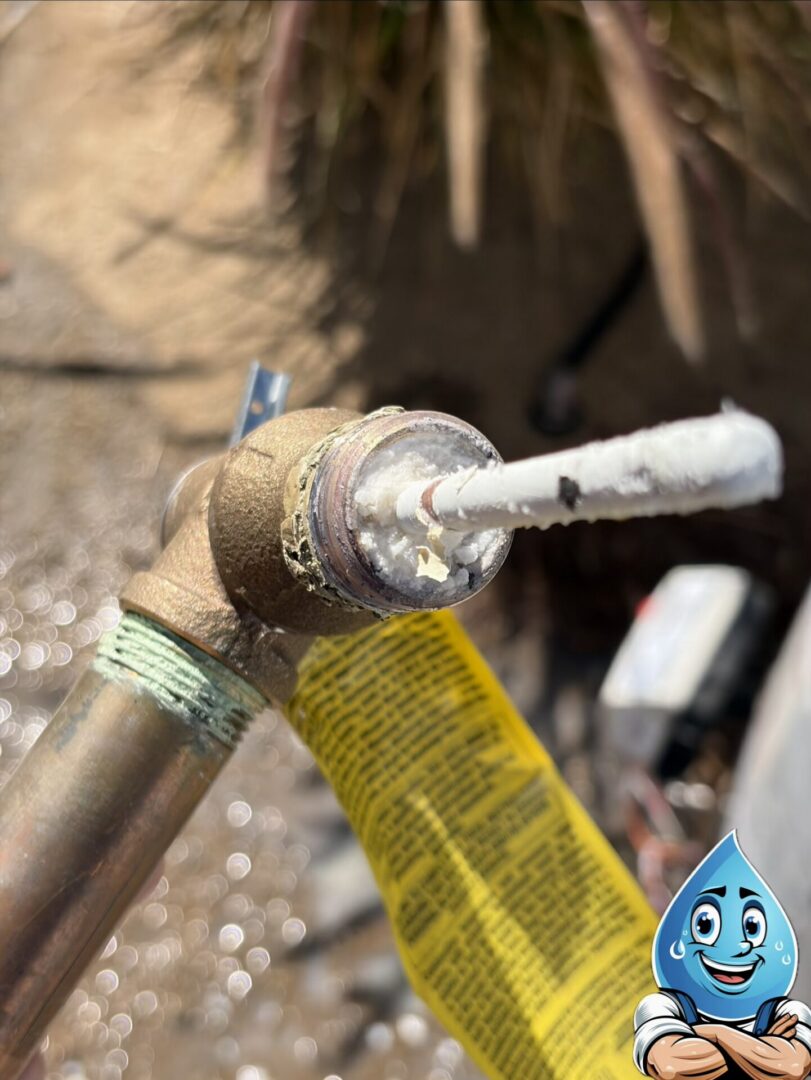
Odor, sediment and anode wear are not always the same problem.
A water heater can have several conditions at once. A tank may contain accumulated sediment while also having an odor issue related to bacteria, water chemistry or the anode rod.
That is why simply flushing a tank may improve sediment conditions but may not permanently eliminate a sulfur odor when the underlying cause is elsewhere.
Can Flushing Help When Hot Water Smells Like Rotten Eggs?
Sometimes flushing is part of the solution, but flushing alone does not address every source of sulfur-smelling hot water.
Remove Sediment
Flushing can remove loose material and sediment that has collected in the bottom of a tank-style water heater.
Evaluate the Anode
When odor persists, the anode type and condition may also need to be considered as part of the diagnosis.
Address Bacteria
Certain odor problems may require tank disinfection or another manufacturer-approved treatment rather than sediment flushing alone.
The correct fix depends on what is actually causing the odor.
Changing an anode unnecessarily or repeatedly flushing the heater may not solve the problem if the odor comes from another part of the system.
The exact process depends on the water heater, water conditions and manufacturer requirements.
Rotten-Egg Water Odor and Natural-Gas Odor Are Not the Same Thing
Natural gas is odorized so that a leak can produce a distinctive rotten-egg or sulfur-like smell. If the odor appears in the room, around a gas appliance or when no water is running, treat it as a possible gas leak rather than assuming the water itself is responsible.
- Leave the area immediately.
- Do not light flames or smoke.
- Do not operate electrical switches or devices that could spark.
- From a safe location, contact SoCalGas at 1-800-427-2200.
- Call 911 from a safe location if there is an immediate danger to life or property.
What to Do When Hot Water Smells Like Rotten Eggs
If your hot water smells like rotten eggs repeatedly after basic maintenance, the water heater may need a closer inspection. Persistent sulfur odor is worth investigating, especially when it only appears on the hot-water side.
The Odor Is Only in Hot Water
This points toward the water heater as one of the first places to investigate.
The Odor Keeps Returning
Recurring odor after maintenance may indicate that the underlying cause has not been addressed.
The Heater Has Heavy Sediment
Significant buildup may indicate that the heater is due for maintenance and a broader condition assessment.
The Anode Has Never Been Inspected
Anode condition and material can be relevant when troubleshooting persistent hot-water odor.
The Water Is Also Discolored
Odor combined with rusty, cloudy or discolored water can indicate additional water-heater or plumbing conditions.
The Heater Is Older or Showing Other Problems
Age, corrosion, leaks, poor hot-water recovery and recurring maintenance issues should be considered together.
Common Questions About Hot Water That Smells Like Rotten Eggs
Here are answers to common questions homeowners ask when their hot water develops an unpleasant sulfur odor.
Why does my hot water smell like rotten eggs but my cold water doesn’t?
When the odor appears only on the hot-water side, conditions inside the water heater become a likely source. Bacteria, sulfates in the water and anode activity can sometimes combine to create hydrogen sulfide odor.
Is rotten-egg smelling hot water dangerous?
The odor often comes from conditions within the water heater, but a sulfur-like smell can resemble the odorant added to natural gas. If the smell is in the room or around a gas appliance rather than clearly coming from running water, leave the area and contact the gas utility from a safe location.
Can an anode rod make hot water smell like rotten eggs?
Under certain water conditions, the chemical reaction involving a sacrificial anode can contribute to hydrogen sulfide formation. Alternative anode materials or powered anodes may sometimes be considered depending on the heater and manufacturer requirements.
Should I remove the water heater anode rod?
Permanently removing the anode is generally not recommended because the rod helps protect the steel tank from corrosion. Removing it can shorten tank life and may affect warranty coverage.
Will flushing my water heater fix the sulfur smell?
Flushing can remove sediment and may be part of water-heater maintenance, but it does not fix every odor problem. Bacteria, water chemistry and anode interaction may also need to be addressed.
Can bacteria grow in a water heater?
Certain naturally occurring bacteria can multiply under favorable conditions inside a water heater and may contribute to sulfur-like odors in hot water.
Can sediment cause rotten-egg smelling water?
Sediment can create other water-heater problems and may exist alongside an odor issue, but sediment by itself should not automatically be assumed to be the cause of the smell.
Why did the smell appear after my water heater sat unused?
Extended periods of low use or stagnant water can change conditions inside the tank and may allow odor-producing bacteria to become more noticeable when hot-water service resumes.
What if both my hot and cold water smell like rotten eggs?
If the odor occurs on both sides at several fixtures, the source may extend beyond the water heater. The incoming water, plumbing system or water-treatment equipment may need to be evaluated.
When should I replace a water heater instead of repairing the odor problem?
Odor alone does not necessarily mean the heater needs replacement. Heater age, corrosion, tank condition, leaks, performance and the cost of needed repairs should all be considered before deciding between maintenance and replacement.
Hot Water Smells Like Rotten Eggs? Let’s Find the Source.
If your hot water smells like rotten eggs and the odor keeps returning, Hydro Plumbing can help evaluate the water heater, sediment conditions, anode rod and other possible causes before recommending the appropriate repair.
Hydro Plumbing serves homeowners throughout Temecula, Murrieta, Wildomar, French Valley, Menifee and nearby Temecula Valley communities.
Owner-Led Local Company Local Temecula Valley plumbing service.
Water Heater Service Diagnosis, maintenance, repair and replacement.
Licensed Contractor CSLB #1106968
Five-Star Rated Trusted by local homeowners.