




Running Toilet in Temecula or Murrieta? How a Leaking Flapper Can Raise Your Water Bill
Running Toilet in Temecula & Murrieta: How a Leaking Flapper Can Raise Your Water Bill
A toilet that keeps running, randomly refills or quietly leaks from the tank into the bowl can waste a surprising amount of water. In many cases, a worn toilet flapper, fill valve or another tank component is allowing water to escape continuously — even when no one is using the toilet.
How Much Water Can a Running Toilet Waste?
A toilet leak can range from a slow, almost silent trickle to a toilet that runs continuously. Even a small leak can add up over time, and larger toilet leaks can waste a substantial amount of water every day.
A Small Flapper Leak Can Add Up Fast
One common source of wasted water is a worn toilet flapper that no longer seals tightly against the flush valve. Water slowly escapes from the tank into the bowl, causing the fill valve to periodically turn back on and replace the lost water.
According to EPA WaterSense guidance, a relatively small toilet leak can waste around 30 gallons of water per day. That may not sound dramatic at first, but over weeks and months the total can become significant.
You pay for the water even if nobody actually uses it.
When a toilet leaks from the tank into the bowl, that water still passes through the home’s water meter. A leak that continues day and night may increase overall household water usage and can contribute to an unexpectedly high water bill.
The exact dollar increase depends on the local water provider, rate structure and the amount of water being lost.
That short refill cycle may be replacing water that leaked out of the tank through a worn flapper or another tank component.
How to Tell If Your Toilet Flapper Is Leaking
A worn toilet flapper is one of the most common reasons a toilet keeps running or quietly loses water from the tank into the bowl. The leak may be obvious, or it may happen so slowly that the first clue is a toilet that randomly refills or a water bill that starts creeping higher.
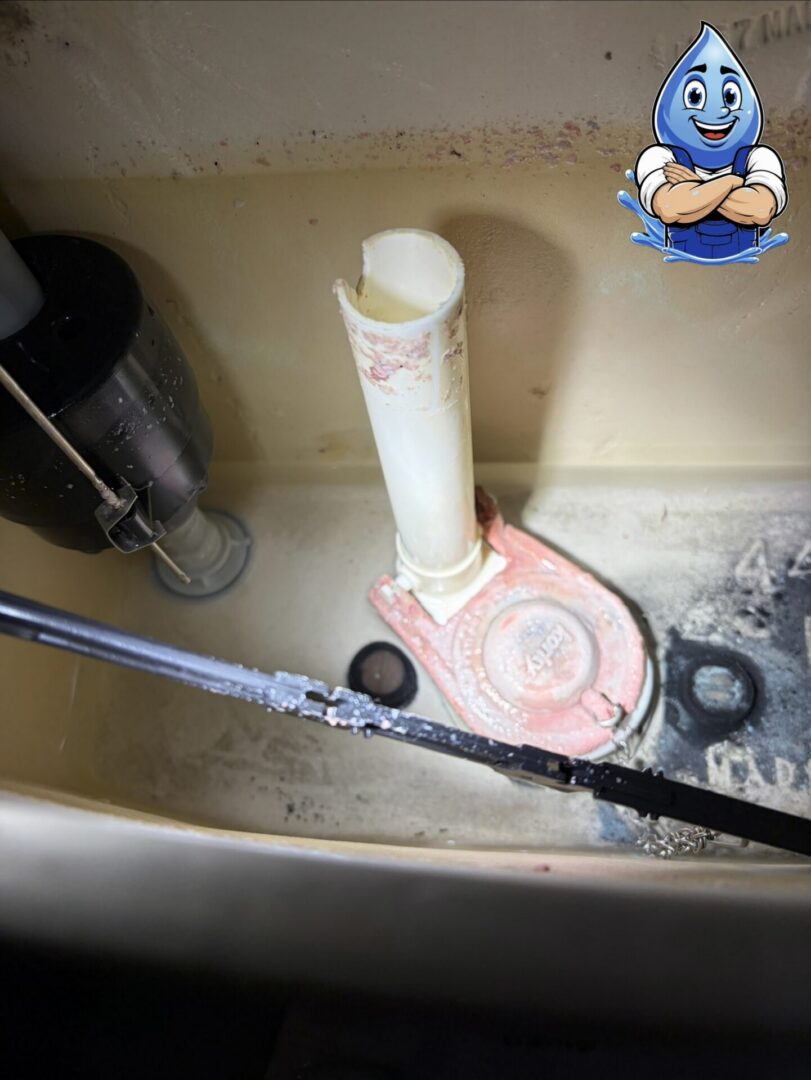
A flapper does not have to look completely broken to leak.
The flapper sits over the flush valve opening at the bottom of the toilet tank. After each flush, it should drop back into place and create a tight seal so the tank can refill and stop using water.
As the rubber ages, it can become warped, brittle, soft, cracked or coated with mineral buildup. Even a small gap between the flapper and the flush valve can allow water to slowly escape into the bowl.
The Toilet Randomly Refills
The fill valve may turn on periodically because water has slowly leaked from the tank into the bowl.
You Hear a Faint Running Sound
A quiet hiss, trickle or occasional refill sound can be an early sign that water is escaping past the tank seal.
The Flapper Looks Worn or Warped
Cracking, deterioration, uneven edges or mineral buildup can prevent the flapper from sitting flat against the flush valve.
Water Moves in the Bowl Between Flushes
Small ripples or movement in the toilet bowl when the toilet has not been used may indicate water is leaking from the tank.
Try the food-coloring test.
Add a few drops of food coloring to the toilet tank and wait without flushing. If colored water appears in the bowl, water is leaking from the tank into the bowl.
This simple test can help confirm a silent toilet leak, although it does not identify which internal part is causing the problem.
Color appearing in the bowl without flushing indicates water is passing from the tank into the bowl.
Why Does My Toilet Keep Running?
A running toilet usually means water is continuing to move through the tank after the flush cycle should have stopped. The cause may be a worn flapper, an improperly adjusted chain, a fill valve problem, a float issue or another internal tank component that is no longer working correctly.
Worn or Damaged Flapper
A flapper that is warped, cracked, brittle or coated with mineral buildup may not seal completely. When that happens, water can continue leaking from the tank into the bowl.
Fill Valve Problems
The fill valve controls how the tank refills after flushing. If it sticks, wears out or does not shut off properly, the toilet may continue running even after the tank reaches its normal water level.
Chain Too Tight or Too Loose
If the flapper chain is too short, the flapper may stay slightly open. If it is too long, the chain can sometimes become tangled or interfere with proper operation.
Float Set Incorrectly
The float tells the fill valve when to stop refilling the tank. If the water level is set too high, water may continue flowing into the overflow tube and cause the toilet to run.
Flush Valve or Seal Problems
A worn flush-valve seal or damaged seating surface can allow water to pass from the tank into the bowl even when the flapper itself appears to be in good condition.
Mineral Buildup or Aging Parts
Over time, mineral deposits and normal wear can affect moving parts inside the toilet tank. Components may begin sticking, sealing poorly or operating inconsistently.
The sound of a running toilet does not always point to the same part.
Two toilets can make a similar running or refilling sound while having completely different problems. One may need a simple flapper replacement, while another may have a fill valve, float or flush-valve issue.
Looking at the entire tank assembly helps identify which component is actually allowing water to continue flowing.
This pattern often means the tank is slowly losing water and the fill valve is turning back on to restore the water level.
Can a Running Toilet Really Raise Your Water Bill?
Yes. A leaking or running toilet can increase household water usage because the lost water still passes through the home’s water meter. Even if the leak is quiet or intermittent, water may continue being used throughout the day and night without anyone realizing it.
The Leak Happens Around the Clock
A toilet flapper that does not seal properly can allow water to move from the tank into the bowl continuously or at regular intervals. Because the tank keeps replacing that lost water, usage can continue 24 hours a day.
The Water Meter Still Counts It
Water leaking through a toilet is still supplied to the home through the water service. That means it is measured as household usage even though nobody intentionally used that water.
Small Daily Losses Add Up
A leak that seems minor can become significant when it continues for weeks or months. The longer the toilet leaks, the more unnecessary water can appear on the household’s total usage.
Larger Running Toilets Can Waste Much More
A toilet that runs continuously because of a larger tank-component problem can use significantly more water than a slow flapper leak. The amount depends on how quickly water is escaping and how long the condition continues.
Uses Water When You Flush
After the tank refills, the fill valve shuts off and water usage should stop until the next flush.
May Keep Using Water Between Flushes
Water can quietly escape into the bowl, causing the tank to repeatedly refill and adding unnecessary usage to the water meter.
If your bill suddenly increases, check for signs of hidden water use.
- Toilets that refill without being flushed
- Faint running or hissing sounds from the tank
- Water movement in the bowl between flushes
- Dripping faucets or exterior hose bibs
- Irrigation systems running unexpectedly
- Unexplained moisture or other signs of a plumbing leak
When Should You Repair a Running Toilet?
A running toilet is worth addressing as soon as you notice it. Even when the problem seems minor, a toilet that repeatedly refills or quietly leaks from the tank can continue wasting water until the failed component is repaired.
The Flapper Is Clearly Worn
If the flapper is warped, deteriorated, cracked or no longer sitting flat against the flush valve, replacing the worn flapper may solve the leak when the rest of the tank components are still in good condition.
The Toilet Keeps Refilling by Itself
Random refill cycles usually mean the tank is losing water somewhere. The source may be the flapper, flush-valve seal or another internal component that should be inspected.
Several Tank Parts Are Aging
If the fill valve, flapper, chain and other components are all showing wear, repairing only one part may not address the overall condition of the toilet. In some cases, servicing multiple tank components at the same time makes more sense.
Your Water Bill Has Increased
If household water usage has increased without an obvious change in routine, a running toilet should be checked promptly so unnecessary water loss does not continue into another billing cycle.
One Worn Component
A visibly deteriorated flapper with otherwise properly operating tank components may only require a targeted repair.
Multiple Symptoms or Aging Parts
Repeated running, inconsistent filling, several worn components or ongoing leakage may point to a broader tank-assembly problem.
Fix the cause, not just the sound.
Hydro Plumbing can inspect the toilet tank components, identify where the water is being lost and explain the repair options before work moves forward.
The goal is to stop the water loss and restore proper toilet operation.
Running Toilet vs. Hidden Plumbing Leak: How Can You Tell?
A higher water bill does not always mean the toilet is the only problem. Toilets are a common source of hidden water waste, but leaking pipes, irrigation systems, faucets and other plumbing problems can also increase household water usage.
Look for tank and bowl clues.
- Toilet refills even though nobody flushed
- Faint hissing or running sounds from the tank
- Food coloring moves from the tank into the bowl
- Water ripples in the bowl between flushes
- Running stops when the toilet shutoff valve is closed
The water loss continues elsewhere.
- Water meter continues showing usage after toilets are isolated
- Wet spots or unexplained moisture appear in the home
- You hear water moving when no fixtures are being used
- Water stains develop on walls, ceilings or flooring
- Outdoor or irrigation areas remain unusually wet
Your water meter can help confirm whether water is still being used.
If every faucet, toilet, appliance and irrigation system is off but the water meter still shows movement, there may be active water usage somewhere on the property.
That does not automatically identify where the leak is located, but it can be a useful clue that further investigation is needed.
Small leaks may cause subtle movement, so readings sometimes need to be compared over a period of time.
More than one leak can exist at the same time.
A running toilet may explain some of the extra water usage, but homes can also have leaking faucets, irrigation problems, supply-line leaks or hidden pipe leaks at the same time.
If repairing the toilet does not bring water usage back to normal, the plumbing system may need a more complete leak evaluation.
Learn more about identifying hidden plumbing leaks and common warning signs.
Leak Detection & Leak Repair →Common Questions About Running Toilets & High Water Bills
Here are answers to some of the most common questions homeowners ask about leaking flappers, running toilets, silent leaks and unexpected water usage.
How much water can a running toilet waste?
The amount varies depending on the size of the leak. A small flapper leak may waste hundreds of gallons over time, while a toilet that runs continuously can waste significantly more water each day.
Can a leaking toilet cause a high water bill?
Yes. Water leaking from the toilet tank into the bowl still passes through the home’s water meter. If the leak continues day and night, the added usage can contribute to a noticeably higher water bill.
Why does my toilet refill by itself?
A toilet that refills without being flushed is usually replacing water that has escaped from the tank. A worn flapper, flush-valve seal or another internal component may be allowing water to leak into the bowl.
How do I know if my toilet flapper is leaking?
Common signs include random refill cycles, faint running sounds, water movement in the bowl or visible wear on the flapper. A food-coloring test can also help confirm whether water is leaking from the tank into the bowl.
Can a bad fill valve make a toilet keep running?
Yes. If a fill valve sticks, wears out or does not shut off properly, the toilet may continue filling even after the tank reaches the correct water level.
Should I replace just the flapper or all the tank parts?
If the flapper is the only worn component, a targeted replacement may be enough. If the fill valve, chain, float or other tank parts are also aging or malfunctioning, a more complete repair may make more sense.
Can high water pressure contribute to toilet problems?
Excessive household water pressure can place additional stress on valves and plumbing components, including parts that supply water to toilets. If a home has repeated plumbing issues, checking water pressure may be part of the overall evaluation.
Why does my toilet run only sometimes?
Intermittent running often happens when the tank slowly loses water and the fill valve turns back on to restore the level. A flapper that seals inconsistently is one possible cause.
Can a toilet leak without water showing on the floor?
Yes. A common toilet leak happens internally when water moves from the tank into the bowl. Because the water stays inside the toilet, there may be no visible puddle or moisture around the base.
Do I need a plumber for a running toilet?
Some running-toilet problems are caused by simple worn tank parts, while others involve multiple components or additional plumbing issues. If the cause is unclear, the toilet keeps running after repairs, or water usage remains high, a plumber can help diagnose the problem.
Stop the water waste before it reaches another billing cycle.
Hydro Plumbing can inspect running toilets, leaking flappers, fill valves and other tank components for homeowners in Murrieta, Temecula and nearby communities.
Running Toilet or Rising Water Bill?
If your toilet keeps running, randomly refills, leaks from the tank into the bowl or seems to be contributing to higher water usage, Hydro Plumbing can help identify the cause and get the problem corrected.
We provide plumbing service throughout Murrieta, Temecula, Wildomar, French Valley, Menifee and nearby communities. Whether the problem is a worn flapper, fill valve, flush-valve seal or another toilet component, the goal is to stop the water loss and restore proper operation.