





Where Does Temecula & Murrieta Get Its Water? A Local Homeowner’s Guide
Where Does Temecula & Murrieta Get Its Water? What Local Homeowners Should Know
If you live in Temecula or Murrieta, you may have wondered where your tap water actually comes from — especially if you have noticed hard-water spots, white mineral buildup, a chlorine taste or scale around your faucets and fixtures.
Homes throughout Southwest Riverside County can receive water from a combination of local groundwater and imported water sources. The exact source can vary depending on your neighborhood, water district and how local supplies are being blended.
In this local homeowner guide, Hydro Plumbing breaks down where our water comes from, why Temecula and Murrieta experience relatively hard water, what those minerals mean for your plumbing and the different options available if you want to improve your home’s water.
So, Where Does Temecula & Murrieta Water Actually Come From?
The water coming from your faucet in Temecula or Murrieta does not necessarily come from one single source. Depending on your neighborhood and water provider, your home may receive a blend of local groundwater and imported water.
Local Groundwater
Part of our local water supply comes from underground aquifers in the Temecula Valley and surrounding Southwest Riverside County.
Groundwater is replenished naturally by rainfall and runoff, and local agencies also use water-management and recharge programs to help maintain these underground supplies.
Imported Water
A significant portion of the area’s drinking water is imported into Southern California through the Metropolitan Water District of Southern California.
Those imported supplies originate primarily from the Colorado River and from Northern California through the State Water Project.
Groundwater, Colorado River water or State Water Project supplies.
Local districts manage, treat, blend and distribute the water.
The final blend reaches neighborhoods throughout Temecula and Murrieta.
Not Every Home Has the Exact Same Water Provider
Temecula and Murrieta are served by more than one water agency. Rancho California Water District serves much of the Temecula and Murrieta Valley, while Eastern Municipal Water District serves portions of Murrieta and nearby communities.
Because the agencies use different combinations of groundwater and imported water, the mineral content, hardness and even the taste of the water can vary somewhat from one neighborhood to another.
Rancho Water reports that imported water has historically represented roughly 60–70% of its overall water supply, with local groundwater providing another important portion.
Why Is Temecula & Murrieta Water So Hard?
Hard water is one of the most common water concerns homeowners notice throughout Temecula and Murrieta. It happens because the water contains naturally occurring dissolved minerals — primarily calcium and magnesium.
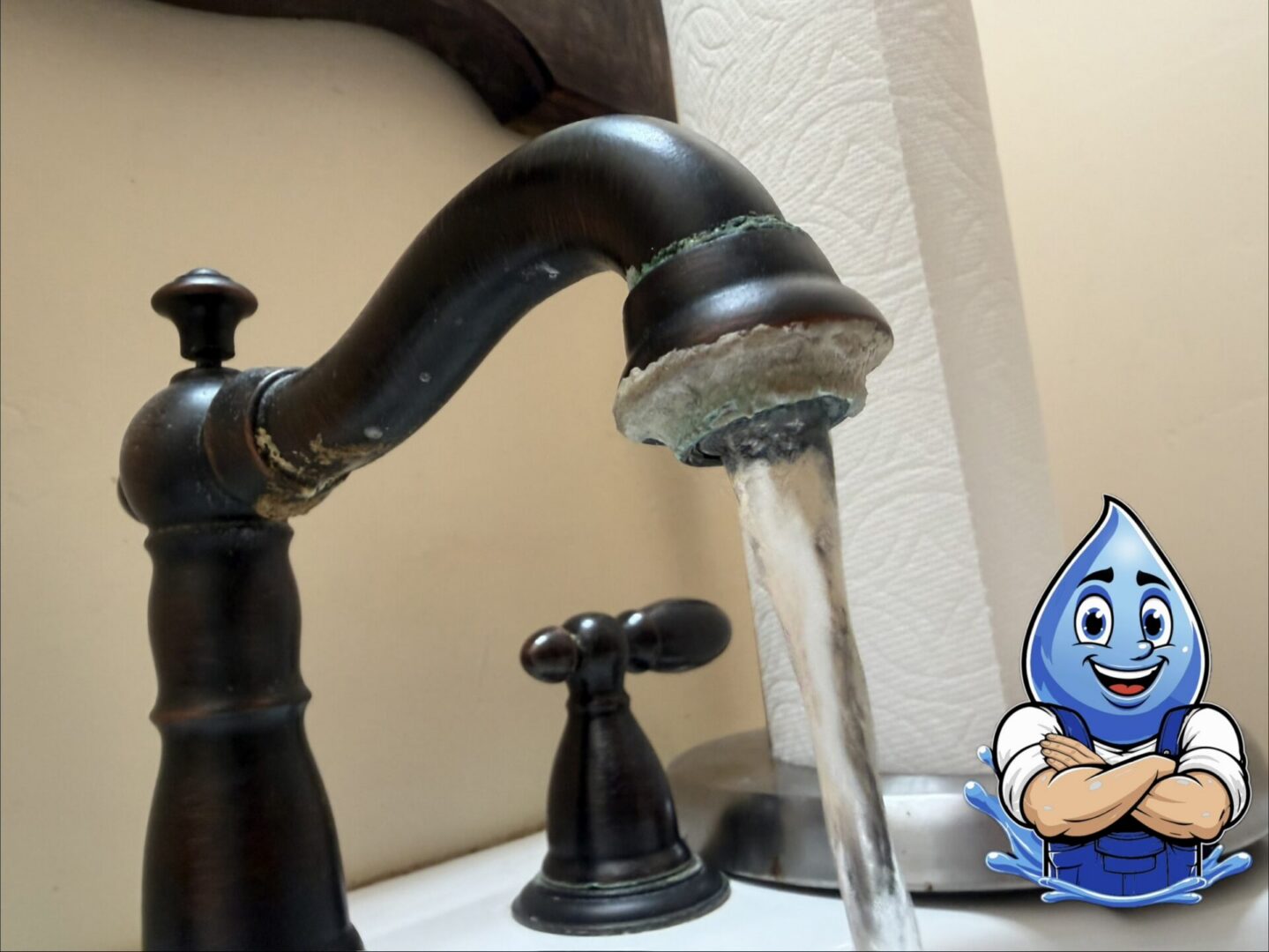
That White Buildup Is Usually Mineral Scale
When hard water evaporates from a faucet, showerhead or fixture, some of the dissolved minerals can remain behind. Over time, those deposits can create the familiar white or chalky buildup seen on plumbing fixtures throughout Southwest Riverside County.
The same minerals that are visible on the outside of a faucet can also accumulate in places you cannot easily see, including aerators, valves, showerheads and water-using appliances.
White Scale on Fixtures
Chalky deposits may form around faucets, showerheads, drains and other areas where water regularly dries.
Spots on Glassware
Mineral residue can remain behind after water evaporates from drinking glasses, dishes and shower doors.
Scale in Water Heaters
Minerals can settle and collect inside tank and tankless water heaters, which is one reason regular maintenance can be important.
More Soap & Cleaning
Hard water can make soap feel less effective and may leave residue behind on sinks, tubs, tile and other surfaces.
Hardness and Water Safety Are Two Different Things
It is important to separate water hardness from water safety. Hardness is mainly a measurement of dissolved minerals such as calcium and magnesium. Those minerals can create scale and affect how water behaves inside the home, but hard water by itself does not mean the water is unsafe to drink.
Local water agencies regularly test drinking water to meet state and federal standards. Homeowners may still choose to treat their water because they want less scale, different taste or odor, reduced chlorine, softer-feeling water or additional filtration at the tap.
Why Water Hardness Can Change From One Neighborhood to Another
Two homes only a few miles apart can sometimes experience different levels of mineral buildup. That is because Temecula and Murrieta do not receive water from one perfectly uniform source all year long.
Your Home May Receive a Different Water Blend Than Another Part of Town
Local water agencies can blend groundwater with imported water depending on supply conditions, demand, infrastructure and the area being served. Because each source can contain different amounts of dissolved minerals, the hardness you experience at your home may not be exactly the same as what someone experiences across town.
That is also why one homeowner may notice heavier white scale on faucets, shower glass or appliances while another homeowner nearby may see less buildup.
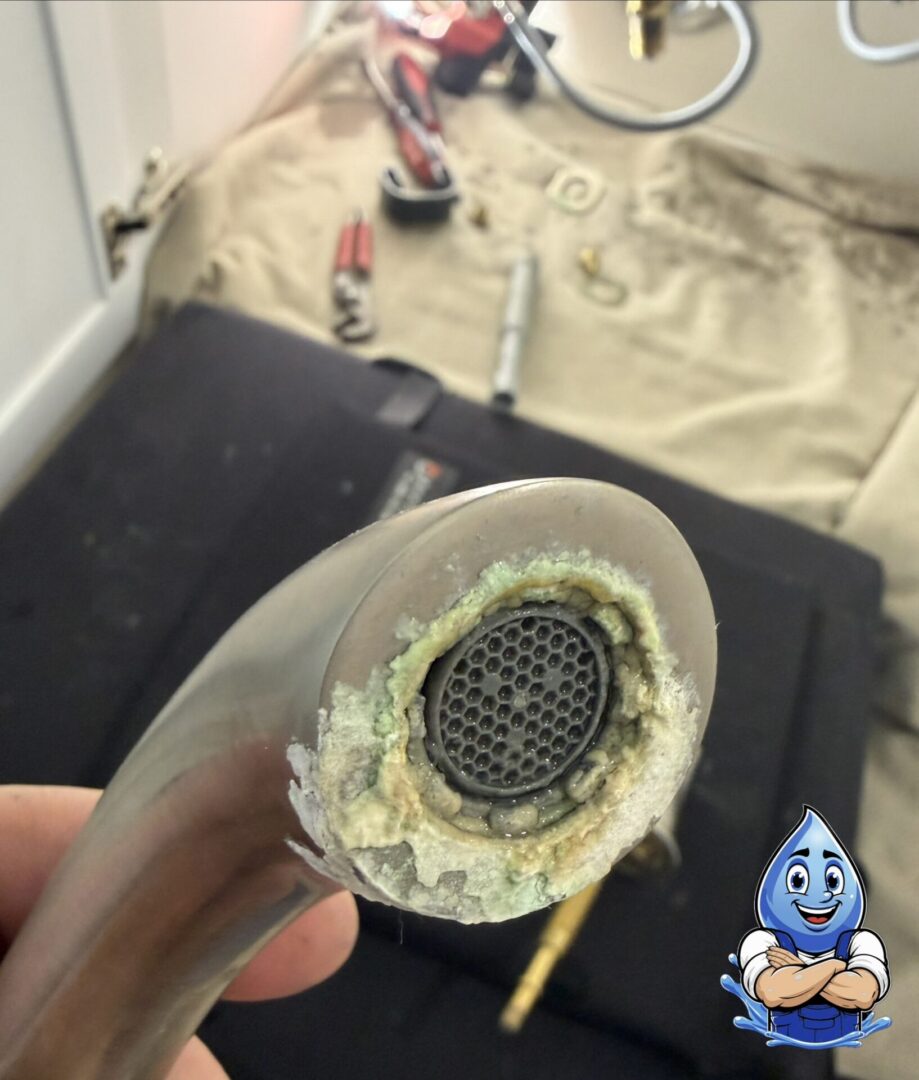
Temecula & Murrieta Sit on the Hard-Water Side of Riverside County
Water hardness varies throughout Riverside County, but Southwest Riverside County is generally known for relatively hard water. Rancho California Water District reports an average hardness of about 11 grains per gallon.
Groundwater
Water moving through soil and rock can naturally dissolve calcium, magnesium and other minerals before entering local wells.
Imported Water
Colorado River and State Water Project supplies have their own mineral characteristics before they are blended into local systems.
Water Blending
The percentage of groundwater and imported water can change depending on supply availability and operational needs.
Your Service Area
Your exact water provider and distribution zone can influence the water quality and hardness reaching your home.
The most accurate way to understand the water at your property is to check your local water provider’s current water-quality report or perform a water-hardness test at the home. Regional averages are helpful, but testing tells you what is actually coming from your tap.
Why Can Temecula & Murrieta Water Taste or Smell Different?
Even when drinking water meets applicable state and federal standards, homeowners may still notice differences in taste, odor, hardness or mineral content. Those characteristics can be influenced by the water source, treatment process, distribution system and the plumbing inside the home.
Why Does Tap Water Sometimes Taste Like Chlorine?
Public water systems use disinfectants as part of the treatment process to help control harmful microorganisms as water travels through the distribution system.
Because disinfectant needs to remain present as water moves through miles of water mains, some homeowners may occasionally notice a chlorine-like taste or smell at the faucet.
The strength of that taste or odor can vary depending on the water being delivered, treatment conditions, distance from treatment facilities and even how long water has been sitting inside the home’s plumbing.
Water Can Meet Standards and Still Feel Different
Water quality regulations focus on health-based standards. Homeowners may also care about things such as:
- Taste and odor
- Hard-water scale
- Mineral residue
- Chlorine preferences
- Spotting on fixtures and glass
Taste & Odor
Chlorine or other naturally occurring characteristics may affect how tap water tastes or smells without necessarily indicating a safety problem.
Minerals
Calcium and magnesium contribute to hard water and can leave scale behind on faucets, fixtures and appliances.
Home Plumbing
Pipes, water heaters, filters and fixtures inside the home can also influence the taste, temperature and appearance of water at the tap.
Water Testing
If a homeowner has a specific concern, testing the water can provide better information than relying only on appearance, taste or smell.
No — Water Quality and Water Preference Are Not the Same Thing
Local water providers regularly monitor drinking water and publish annual water-quality information for their customers. Water that meets regulatory standards can still contain minerals or treatment residuals that some homeowners would prefer to reduce.
That is where home water treatment becomes a matter of what you want to improve. One homeowner may be focused on reducing scale. Another may want better tasting drinking water. Someone else may be more interested in reducing chlorine throughout the home.
The right water-treatment system should be selected based on the specific problem you are trying to solve — not simply because a salesperson says you need one.
Hydro PlumbingAm I mainly concerned about hard-water scale?
Do I want to reduce chlorine taste or odor?
Am I focused on drinking water at one faucet?
Do I want treatment throughout the entire home?
Water Softener vs. Whole-Home Filtration vs. Reverse Osmosis
One of the biggest sources of confusion for homeowners is assuming that every water-treatment system does the same job. In reality, water softeners, whole-home filtration systems and reverse osmosis systems are designed to solve different water concerns.
If your main concern is white scale, you may need a different solution than someone who is mainly concerned about chlorine taste, drinking water quality or filtration throughout the entire home.
Water Softener
Best suited for homeowners who want to reduce the effects of hard-water minerals such as calcium and magnesium.
Helps reduce hard-water scale
Can reduce spotting on fixtures and glass
Helps protect plumbing fixtures and water-using equipment from scale
Can improve how soap and shampoo perform
Whole-Home Water Filtration
Designed to treat water as it enters the home so filtered water is available at multiple faucets, showers and fixtures.
Can help reduce chlorine taste and odor depending on the system
Treats water before it travels throughout the home
Can target sediment and other specific water concerns
System design can be customized around homeowner priorities
Reverse Osmosis
Commonly used as a point-of-use drinking-water system, often installed beneath the kitchen sink.
Provides additional filtration for drinking and cooking water
Uses a semi-permeable membrane as part of the treatment process
Can reduce many dissolved substances depending on the system
Often paired with a dedicated drinking-water faucet
Which System Solves Which Problem?
Some Homes Benefit From a Combination Approach
A homeowner who wants to address hard-water scale, chlorine and drinking-water quality may choose more than one type of treatment. For example, a home could use a softening or scale-control system together with whole-home filtration and a separate reverse osmosis system at the kitchen sink.
The right combination depends on the home’s water, plumbing, homeowner preferences, available installation space and the specific results the homeowner is trying to achieve.
Before investing in a water-treatment system, identify the specific concerns you want to address. That makes it much easier to compare equipment and avoid paying for features that may not solve the problem you actually have.
How to Find Your Water Provider & Read Your Local Water Quality Report
Because Temecula and Murrieta can be served by different water agencies, the best way to understand the water coming to your home is to identify your provider and review its latest Consumer Confidence Report, also commonly called a water-quality report.
Identify Your Water Provider
Check your monthly water bill or utility account to see which agency serves your property. In the Temecula and Murrieta area, common providers include Rancho California Water District and Eastern Municipal Water District.
Find the Latest Water Quality Report
Public water systems publish annual reports that summarize testing, water sources and regulated substances detected in the drinking-water supply.
Look for the Information That Matters to You
If your concern is hardness, chlorine, minerals or a particular substance, use the report to understand what the water agency is measuring and what has been detected in your service area.
Important Sections Inside a Water Quality Report
Shows whether the district relies on groundwater, imported water or a combination of different sources.
Lists regulated substances tested for and the amounts detected during the reporting period.
Helps readers compare detected levels with applicable drinking-water standards and regulatory limits.
Some agencies also provide information about hardness, minerals, disinfectants and other characteristics homeowners may notice.
Your Water Report Tells You About the Public Water Supply
A Consumer Confidence Report is extremely useful, but it represents water quality within the public water system. It does not always tell you exactly what is happening inside the plumbing of an individual home.
Older piping, water heaters, private filtration equipment, stagnant water and other conditions inside the property can sometimes affect what a homeowner experiences at a particular faucet.
A Home Water Test Can Help Answer More Specific Questions
If you are trying to solve a specific water concern, testing can help provide more information about what is actually coming from the tap. This can be especially useful before investing in water-treatment equipment.
You want to know your actual water hardness
You are comparing filtration or softening options
Your water has an unusual taste, odor or appearance
You have a specific substance you are concerned about
Is Whole-Home Water Filtration Worth It in Temecula or Murrieta?
Whole-home filtration is not automatically necessary for every house. It makes the most sense when a homeowner has a specific water concern they want to address throughout the property — not just at one faucet.
Whole-Home Filtration Treats Water Before It Reaches Your Fixtures
A whole-home system is typically installed near the point where the main water supply enters the house. That allows treated water to flow to showers, bathroom faucets, kitchen fixtures, laundry connections and other water-using equipment throughout the home.
Depending on the equipment and filter media selected, a system may be designed to address concerns such as chlorine taste or odor, sediment or other specific water-quality preferences.
Chlorine Taste or Odor
Some homeowners simply prefer water with less noticeable chlorine taste or smell throughout the house.
Better Showering Experience
Homeowners may choose whole-home treatment because they want treated water available at showers and bathroom fixtures, not just in the kitchen.
Water Throughout the Home
A point-of-entry system can provide consistent treatment to multiple fixtures and appliances from one central location.
Specific Water Preferences
Some homeowners are simply more conscious of the water they use and want additional treatment beyond what the municipal system provides.
Match the System to the Problem
Before choosing equipment, identify what you are actually trying to improve. Different concerns may call for different treatment methods.
A softening or scale-control solution may be more appropriate than filtration alone.
A properly selected whole-home filtration system may be a good fit.
A point-of-use reverse osmosis system may be more practical than treating the entire house.
Some homes benefit from combining filtration, softening or scale-control and reverse osmosis.
Don’t Choose a System Based on Marketing Alone
Water-treatment equipment can vary significantly in design, maintenance requirements and performance. Before purchasing a system, it is worth asking a few basic questions.
- What specific water concern is this system designed to address?
- Does it treat hardness, filtration concerns, or both?
- What filter media or treatment technology does it use?
- How often will filters or media need to be serviced?
- Can the system handle the flow rate required by the home?
- What ongoing maintenance or replacement cost should I expect?
A Practical Approach
Start by identifying what you dislike or want to improve about your water. Then compare systems based on whether they actually address those concerns.
That approach is usually much better than starting with a brand name or assuming the most expensive system must be the best option.
Not Sure Which Type of System Makes Sense?
Hydro Plumbing installs whole-home filtration, water-treatment and reverse osmosis systems throughout Temecula, Murrieta and nearby communities. We can help you compare options based on the water concern you are actually trying to solve.
Common Questions About Temecula & Murrieta Water
These are some of the most common questions homeowners ask about local water quality, hardness, filtration and the white mineral buildup seen on faucets and fixtures.
Is Temecula water hard?
Yes. Water in the Temecula area is generally considered hard. Rancho California Water District reports average hardness of about 11 grains per gallon, which is around the point commonly classified as very hard water.
Is Murrieta water hard?
Much of Murrieta also experiences hard water. The exact hardness can vary depending on the water provider, neighborhood and blend of groundwater and imported water being delivered.
Where does Temecula get its water?
Temecula-area water can come from a combination of local groundwater and imported water. Imported supplies ultimately originate from sources including the Colorado River and Northern California through the State Water Project.
Where does Murrieta get its water?
Murrieta can be served by different water agencies depending on the property. Local supplies may include groundwater along with imported water delivered through Southern California’s regional water system.
Is Temecula tap water safe to drink?
Local public water agencies monitor and test drinking water to meet applicable state and federal drinking-water standards. Water that meets those standards can still be hard or have noticeable taste, odor or mineral characteristics that some homeowners prefer to treat.
Is Murrieta tap water safe to drink?
Public water providers serving Murrieta regularly test and report on drinking-water quality. Homeowners with a specific concern can review their provider’s annual water-quality report or consider testing water directly at the home.
What causes white buildup on faucets?
White or chalky buildup is commonly caused by minerals left behind when hard water evaporates. Calcium and magnesium are two of the main minerals associated with hard water and scale formation.
Why do my shower doors get white spots?
Hard-water droplets can leave mineral residue behind after they dry. Over time, repeated evaporation can create noticeable spotting on shower glass, tile and plumbing fixtures.
Does a whole-house water filter soften water?
Not necessarily. A whole-home filtration system may be designed to reduce chlorine, sediment or other specific water concerns, but a traditional water softener is specifically designed to address hardness minerals. Some systems combine multiple treatment methods.
Does reverse osmosis soften the entire house?
No. A typical under-sink reverse osmosis system treats drinking water at one point of use. It does not normally soften or treat every shower, faucet and appliance throughout the home.
Can hard water damage a water heater?
Hard-water minerals can form scale and sediment inside water-heating equipment over time. The amount of buildup can depend on water hardness, temperature, usage and maintenance.
Should I test my water before buying a filtration system?
Testing can be helpful when you are trying to address a specific concern. Knowing what you want to improve — and what is actually present in the water — can make it easier to select appropriate treatment equipment.
Hardness, taste, odor and drinking-water safety are different issues. The best treatment approach depends on the specific water concern you are trying to solve in your home.
Understanding Your Water Is the First Step
Temecula and Murrieta homeowners receive water from a combination of local groundwater and imported supplies, and the exact blend can vary by water provider, neighborhood and system conditions.
Our local area also experiences relatively hard water, which helps explain the white mineral buildup, spotting and scale many homeowners see on faucets, shower glass and plumbing fixtures.
The important thing to remember is that hardness, taste, odor, filtration and drinking-water quality are not all the same issue. The right solution depends on what you are actually trying to improve in your home.
Your provider can help you understand where your water comes from and provide the latest water-quality information for your service area.
Hard-water scale, chlorine taste, sediment and drinking-water concerns may require different treatment approaches.
Compare filtration, softening and reverse osmosis based on the result you want — not simply on the brand name or sales pitch.
Helpful Hydro Plumbing Water Resources
If you want to learn more about local water, filtration and treatment options, these Hydro Plumbing resources can help.
Have Questions About the Water in Your Home?
If you are considering whole-home filtration, water treatment, softening or reverse osmosis, Hydro Plumbing can help you compare options based on your home’s plumbing and the specific water concern you want to address.